Should I Include My Address on My Resume? Resume Privacy Tips

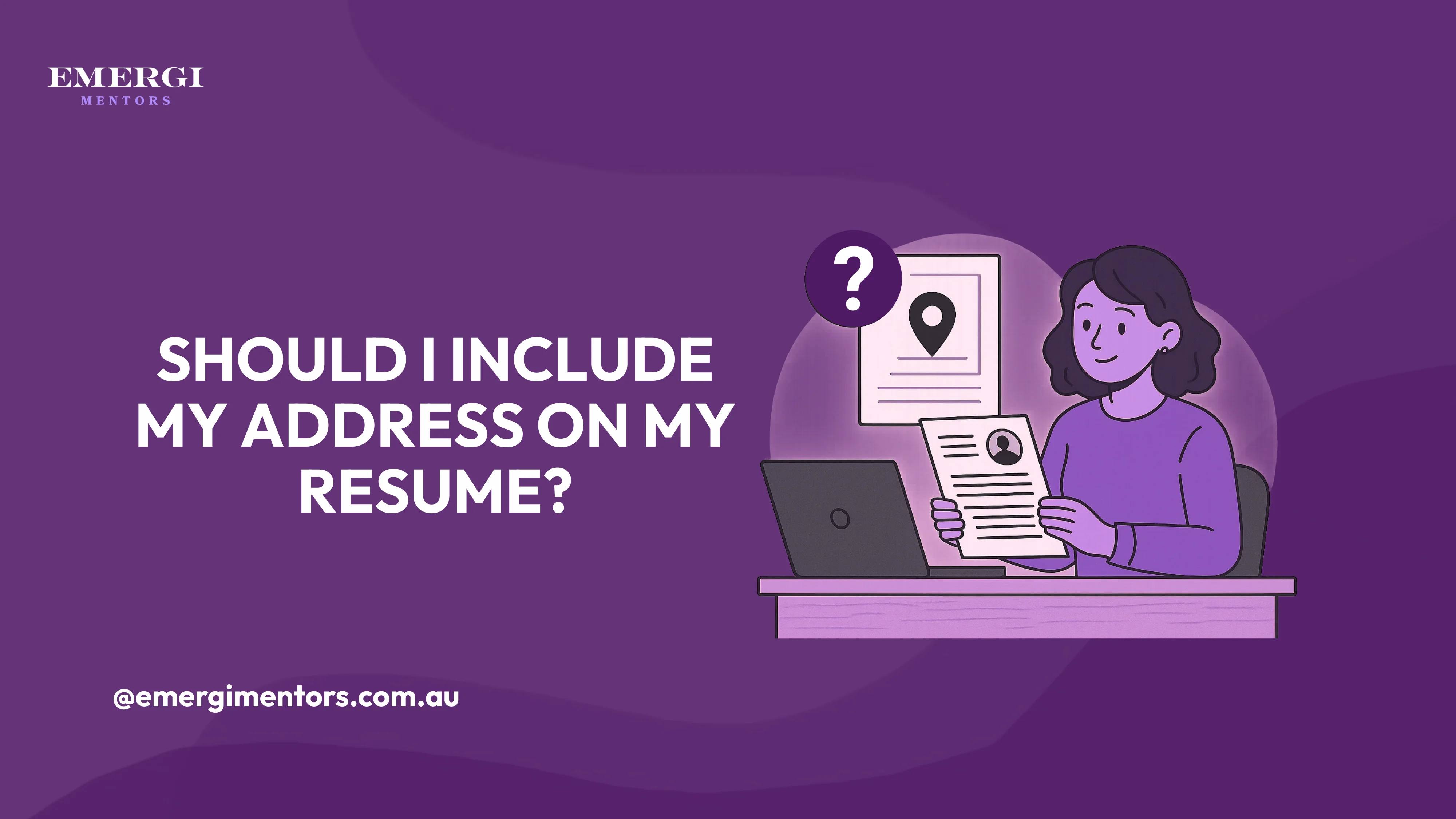
Should you put your address on a resume? In most cases, you don't need to include your full street address. Your city and state are usually enough when location is relevant to the job. If you're unsure how to format your address, we'll explain below what to include, what to leave out, and practical resume address examples to help you present your contact details professionally while protecting your privacy.
Traditional resume writing had your full contact information, including your complete home address, and it sat prominently at the top of every resume. However, modern job searching has fundamentally changed these rules, making the question "should I include my address on my resume" more nuanced than ever before.
The Case Against Including Your Full Address
When you ask, "Should I include my address on my resume?" Privacy concerns top the list of reasons to why many career experts now advise against including your complete address. Your resume often passes through multiple hands, gets stored in digital databases, and may be shared with third-party recruiters or vendors.
Safety First: Including your full address exposes you to potential identity theft, unwanted visitors, or stalking situations. This risk is particularly concerning for women, young professionals, or those in high-profile positions.
Geographic Discrimination: Some employers unconsciously filter candidates based on address, assuming those living further away won't be reliable or will demand higher compensation for commuting. When you're wondering "should I include my address on my resume," consider whether your location might work against you.
Digital Footprint Concerns: Your address can be used to find additional personal information online, including property values, family details, and lifestyle indicators that shouldn't influence hiring decisions.
Get started with the right foundation for your modern resume. Our ATS-friendly resume template follows current best practices for contact information and helps you create a professional, privacy-conscious application that passes through applicant tracking systems successfully.
Download a free ATS-friendly resume template now
What to Include Instead of Your Full Address
When determining "should I include my address on my resume," consider these strategic alternatives that provide necessary location context without compromising your privacy:
City and State/Province Only: Include just "Melbourne, VIC" or "Sydney, NSW" to indicate your general location and time zone without revealing your exact whereabouts.
General Area Description: Use phrases like "Greater Brisbane Area" or "Inner West Sydney" to provide location context while maintaining privacy.
No Address at All:For remote work positions or when applying to companies known for flexible work arrangements, you might omit location information entirely, focusing instead on your digital contact methods.
Resume address examples
City and state: Melbourne, VIC
City and country: Melbourne, Australia
Full street address: Usually unnecessary on a modern resume unless specifically required.
Industry and Role Considerations
The answer to "should I include my address on my resume" often depends on your industry and target roles. Traditional industries like finance, law, or government may still expect full address information, while tech companies and startups typically care more about skills than location.
Remote-First Companies: Many modern employers prioritize talent over geography, making your physical address irrelevant to their hiring decisions.
Local Service Roles: Positions requiring local knowledge or regular client visits might still benefit from including your general area, though your full street address remains unnecessary.
International Applications: When applying for roles in different countries, your current city and country provide sufficient location context without unnecessary detail.
Best Practices for Modern Resume Contact Information
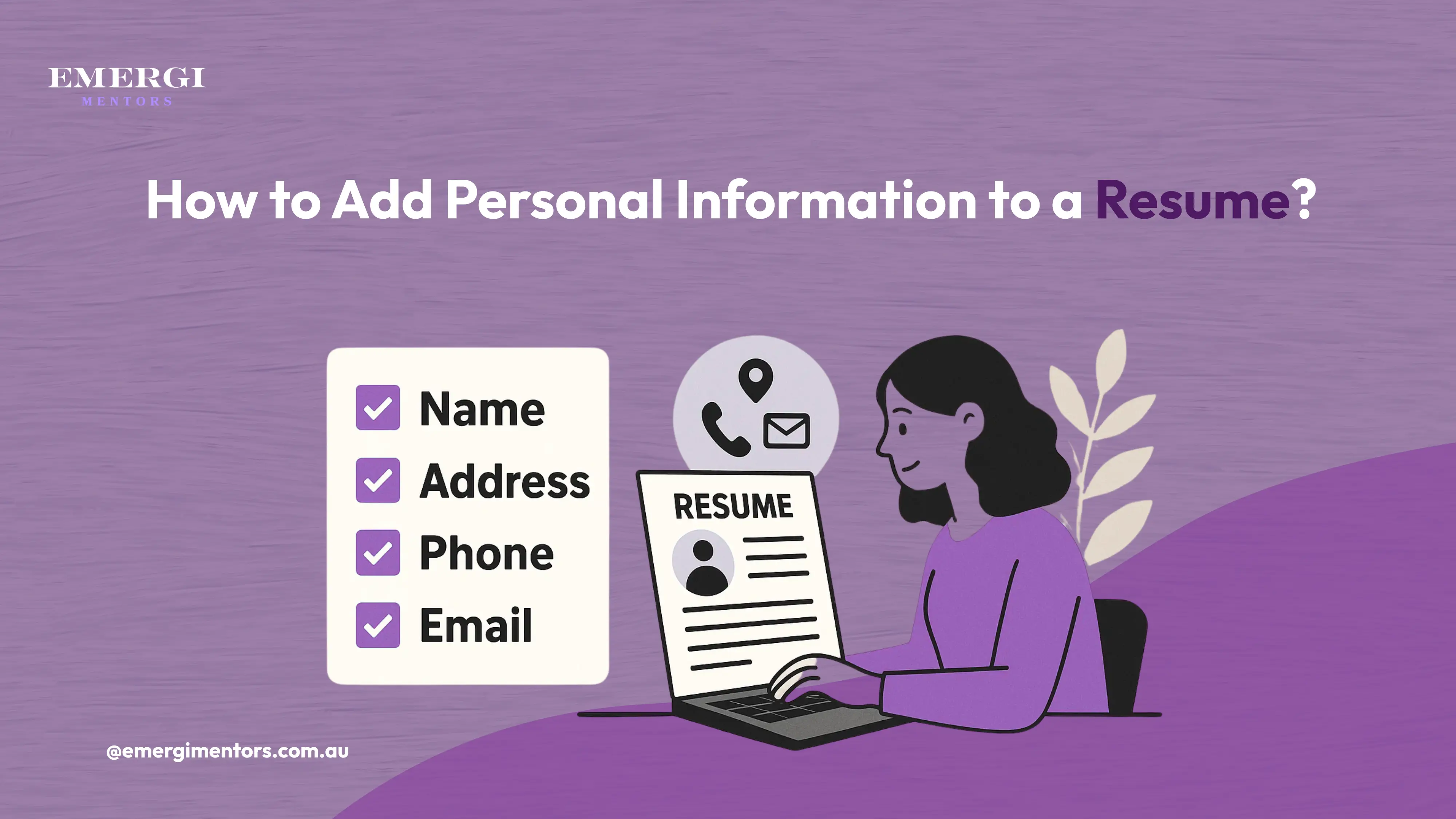
Instead of debating "should I include my address on my resume," focus on creating a contact section that balances professionalism with privacy. Include your phone number, professional email address, and LinkedIn profile URL as your primary contact methods.
Consider adding your city and state if location is relevant to the role, but avoid including your street address, postal code, or apartment number. This approach provides employers with necessary information while protecting your personal security.
Professional Email: Use a professional email address rather than relying on your home address for credibility. Something like firstname.lastname@gmail.com appears more professional than including your physical address.
Making Your Final Decision
When you're still asking "should I include my address on my resume," consider your specific circumstances, industry norms, and personal comfort level with privacy. The job market has evolved to prioritize skills and cultural fit over geographical proximity for many roles.
Review job postings in your field to understand employer expectations. If most require on-site work in a specific location, including your city might be beneficial. For remote or flexible positions, focus on demonstrating your qualifications rather than your location.
Take your resume to the next level with professional guidance. Get your resume reviewed by an expert mentor at Emergi Mentors who can provide personalized advice on contact information, formatting, and content optimization to maximize your job search success in today's competitive market.
Your Privacy, Your Choice
The decision of "should I include my address on my resume" ultimately rests with you. Modern hiring practices have evolved to respect candidate privacy while still providing necessary information for the recruitment process.
Focus on creating a resume that effectively showcases your skills and achievements while maintaining your personal security and privacy preferences. The right employer will value your qualifications regardless of whether they know your exact street address.