How to List References on a Resume with Resume References Example


To list references on a resume in Australia, create a separate page titled "Reference List" and include each referee's full name, job title, company, phone number, email address, and a one-line note about your working relationship. Only attach this page when a job ad specifically asks for it. Otherwise, simply write "Referees available upon request" at the bottom of your resume. Two to three referees is the Australian standard. That's the core of it. But if you want to do this well, choose the right people, present them professionally, and improve your chances of landing the job, keep reading.
Why References Matter More Than People Think
Here's something most job seekers overlook. By the time an employer asks for your references, they're already interested in you. The interview went well. You're in the final shortlist. Now they want to verify everything you said.
Employers use references to verify the accuracy of your interview and confirm that you can do the job. They also want to learn about cultural fit and how you interact within a team
Think about that for a second. A poorly chosen referee, someone who sounds uncertain, gives vague answers, or is caught off guard by the call, can undo weeks of effort. On the other hand, a confident, well-prepared referee who knows exactly what to say can work in your favour.
This is why how you list references on your resume matters almost as much as who you choose as your reference.
Should You Include References Directly on Your Resume?
Many Australian employers request references at some stage of the hiring process, but that doesn't always mean they belong directly on your resumé. References are usually provided when requested by the employer. However, listing them earlier can be helpful if they strengthen your application, particularly when you have notable professional contacts or limited experience.
Here's a simple way to decide:
Directly Include references on your resume if:
The job advertisement specifically asks for them
You're a recent graduate with limited work history and a strong academic reference
You have a high-profile contact whose name adds credibility to your application
Your resume still has space after covering your experience and skills
Leave the reference out or use "available upon request" if:
The job ad doesn't mention references
Listing them would push your resume to an awkward length
You want to protect your referees' contact details until later in the process
You're currently employed and don't want your employer to know you're job hunting
Mostly, you will not be asked to provide full references on your CV. Instead, stating "References available upon request" at the end of the document is the safest approach, according to Hays.
How Many References Do You Need?
Many applications ask for two to three references. It is not essential to have more references, but if you only have one, it may be considered a red flag to employers. For most Australian roles, two solid references are perfectly acceptable. Three is slightly more reassuring. More than four starts to look like overcompensation.
Always choose quality over quantity. One competent and relevant referee is more valuable than three general ones.
Who to Choose as a Reference
Who to choose as a reference is where a lot of people make mistakes. They default to whoever they liked most at a previous job, rather than whoever can speak most convincingly about the skills required for the role they're applying for.
Good reference choices in Australia include:
Former direct managers or supervisors: These are your strongest option. They can speak to your performance, output, reliability, and growth. They can speak directly about your performance, responsibilities, and strengths.
Note: only use your current manager if they know you are job searching.
Senior colleagues or team leads: Useful when you worked closely on projects and your manager was more hands-off.
Clients or stakeholders: Perfect if your role involved stakeholder management, sales, service delivery, or project work.
Academic supervisors or lecturers: Ideal for graduates or early-career applicants when work experience is limited.
Who to avoid as referee: Family members, personal friends, and anyone who hasn't seen you in a professional context. Family will always say nice things about you, and even if you have worked with them, they are probably not considered credible references because they may not be entirely objective.
Always match your referee to the specific role. If you're going for a management position, priorities someone who witnessed your leadership. If it's a client-facing role, a former client says far more than a colleague who never saw you with customers.
How to Ask Someone to Be Your Reference
Always ask the person before mentioning them; never assume they would voluntarily become your referee. This sounds obvious, but plenty of candidates skip this step and pay the price when their referee sounds surprised or unprepared on the phone.
It may seem like a simple formality, but it is good manners to ask the person you would like to put down as a reference first. You don't want them to be surprised by a phone call from a future employer, as it will not be good for your image.
When you do ask someone, keep it conversational. Something like: "I'm currently looking for roles in marketing; would you be comfortable acting as a reference for me if it comes to that?" Pay attention to how they respond. Hesitation is a signal to look elsewhere.
Once they agree to be your reference, give them context. Tell them the types of roles you're going for, Key skills or achievements you've highlighted in your applications and small details about the companies you're targeting.
It’s important to prepare your references. Let them know about the role you’re applying for, the key responsibilities, and how you presented your experience in the interview so they can support your application effectively.
How to Format a Reference List for Your Resume
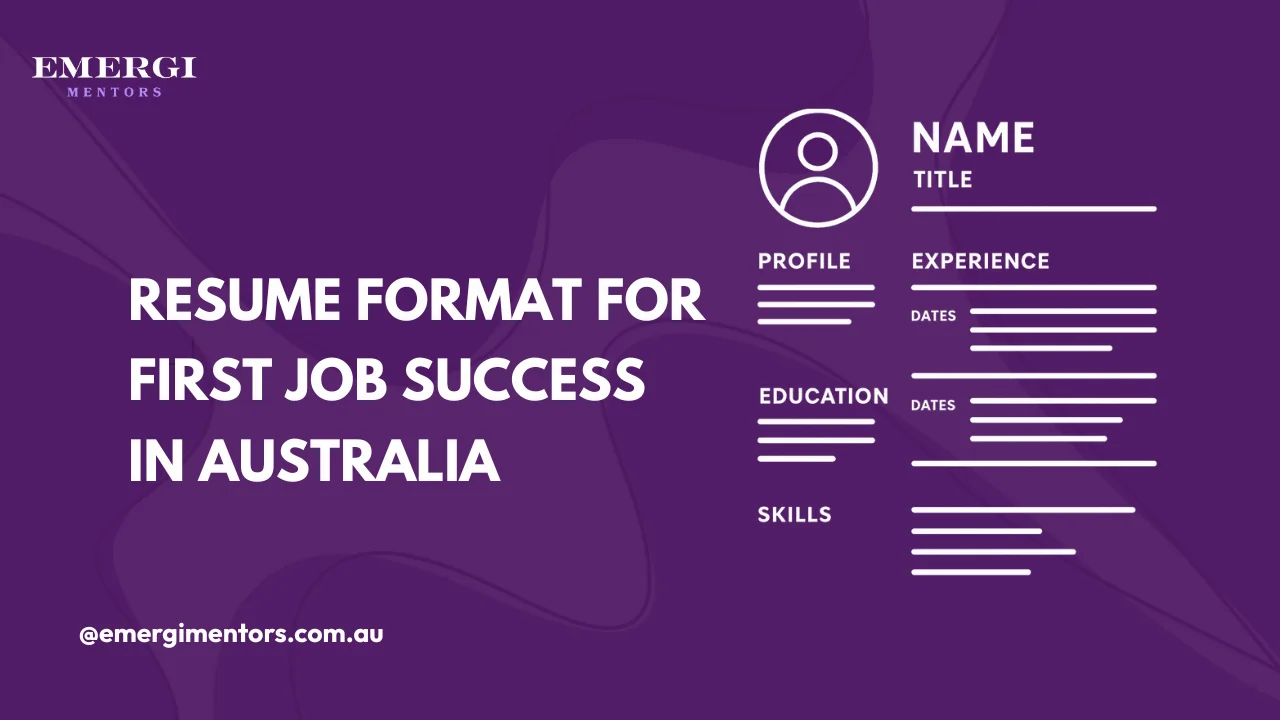
When a job does require you to submit references, present them on a clean, separate page that matches the design of your resume. Title it "Reference List" or "Referees."
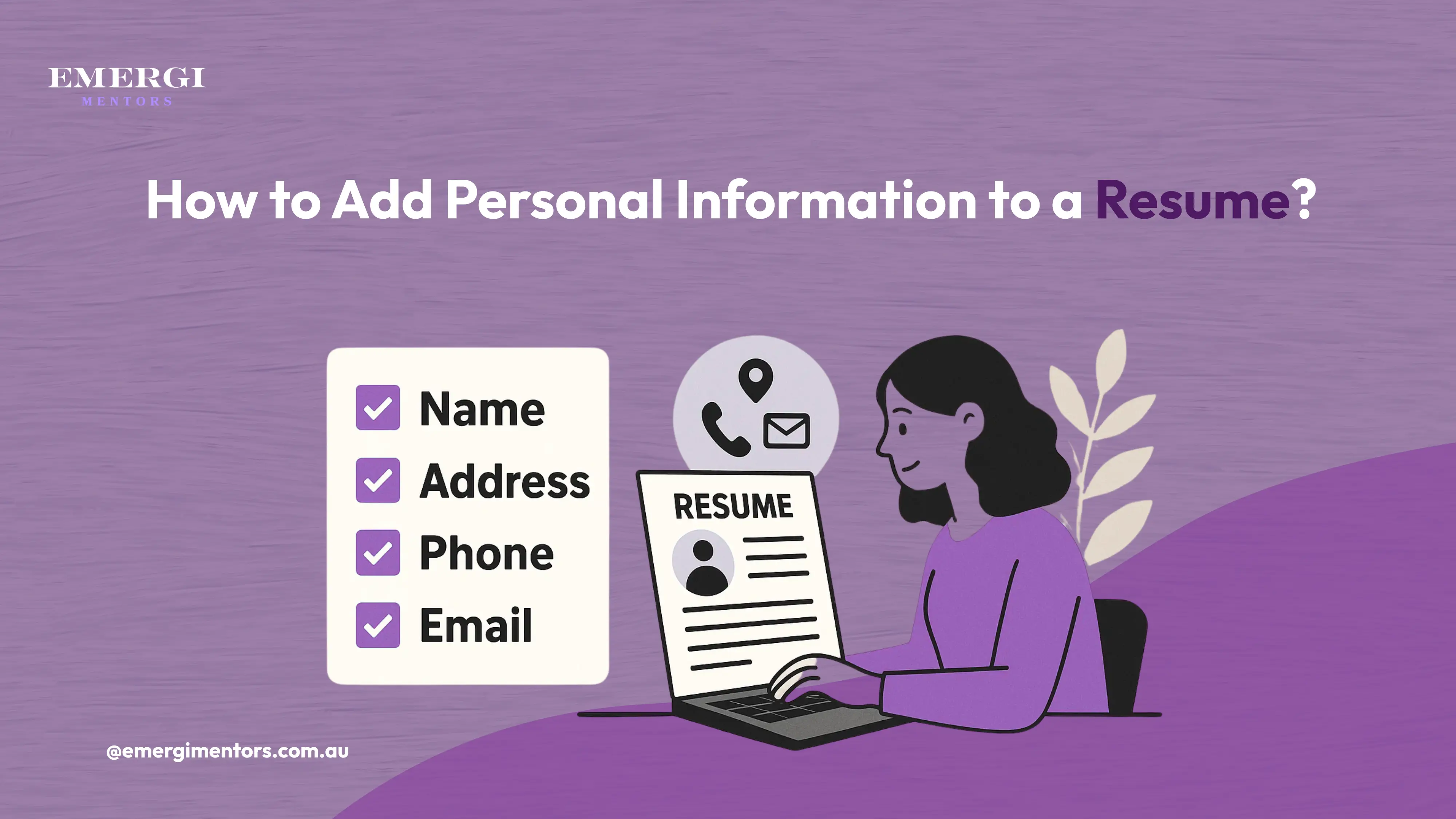
For each referee, include:
Full name
Current job title
Organisation or company name
Phone number (direct line or mobile)
Professional email address
Your relationship to them (e.g., "Direct manager at XYZ Company, 2021–2024")
Resume references example

Keep the formatting clean and consistent. Use the same font, spacing, and colour scheme as yours main resume. This small detail indicates professionalism and attention to detail; these are two things hiring managers notice.

Where to Place References on Your Resume
There's no rigid rule here, but the general convention in Australia is simple. If you're including referee details directly on your resume, put them at the very end, after your work experience, education, and skills.
If you're not listing full details, a single line at the bottom that says "Referees available upon request" is all you need. It takes one line but signals preparedness and keeps your referees' contact information private until you're ready to share it.
A practical option for experienced professionals is to include your LinkedIn profile in your resume’s contact section. This lets recruiters see your recommendations without you having to list references on the resume.
Resume vs CV References: Is There a Difference in Australia?
Here is a simpler, more natural version:
In Australia, the terms 'resume' and 'CV' (curriculum vitae) are sometimes used interchangeably, but they aren’t the same. For most jobs, both employers and job seekers usually use the term resume.
A CV, on the other hand, is typically a longer and more detailed document. It’s mainly used for academic, research, or specialized roles where a full record of experience, publications, and achievements is required.
When it comes to curriculum vitae references, the same rules apply. List them on a separate page, format them clearly, and only provide them when asked. The only real difference is that a CV reference list may include academic supervisors or research mentors alongside professional referees, which is standard for university and research applications. You can also add these useful words to your CV to increase its impact.
Resume Mistakes That Can Cost You the Job
Even when you've picked the right people and formatted everything correctly, small mistakes can undermine your references section. Here are the ones that come up most often:
Always tell your referees when to expect a call. Once you've applied and had interviews, give your referees a heads-up. Let them know who might be calling and roughly when.
Don’t use outdated contact details. Check your referees' current job title, phone number, and email address before submitting. People change roles. A hiring manager who can't reach your referee may simply move on to the next candidate.
Listing referees from too long ago is not good. Choose a referee who can speak about your recent work and whose experience is relevant to the role. Hiring managers need people to confirm your skills and cultural fit for their organisation, not just someone who can attest to your kind and personable nature.
Another mistake people make is forgetting to say thank you. Whether you get the job or not, it’s good practice to follow up with your referees. A quick call or email shows appreciation and helps maintain a positive relationship for future opportunities.
Curriculum Vitae References Templates
Below is a ready-to-use reference list template formatted to Australian employer expectations. Simply replace the placeholder details with your own.
REFERENCE LIST [Your Full Name | Your Phone | Your Email]
Referee 1 [Full Name] [Job Title], [Company Name] 📞 [Phone Number] 📧 [Email Address] Relationship: [e.g., Direct manager at [Company], [Year]–[Year]]
Referee 2 [Full Name] [Job Title], [Company Name] 📞 [Phone Number] 📧 [Email Address] Relationship: [e.g., Senior colleague and project lead, [Company], [Year]–[Year]]
Referee 3 (optional) [Full Name] [Job Title], [Company Name] 📞 [Phone Number] 📧 [Email Address] Relationship: [e.g., University supervisor, [Institution], [Year]]
Save this as a PDF that matches your resume's visual style. Only send it when requested.
Keep Resume Privacy and Professionalism
The personal details of influential managers have commercial value and can enable shady recruiters to use your reference list in more creative ways. Overly ambitious recruiters have been accustomed to cold call reference lists in an attempt to make sales. Arielle This is a real issue, and another reason why keeping references on a separate document, shared only at the right stage, is the smarter move.
Always let your referees know their details are being shared and with whom. It's not just professional courtesy; it's how you protect a relationship that could matter across your entire career.
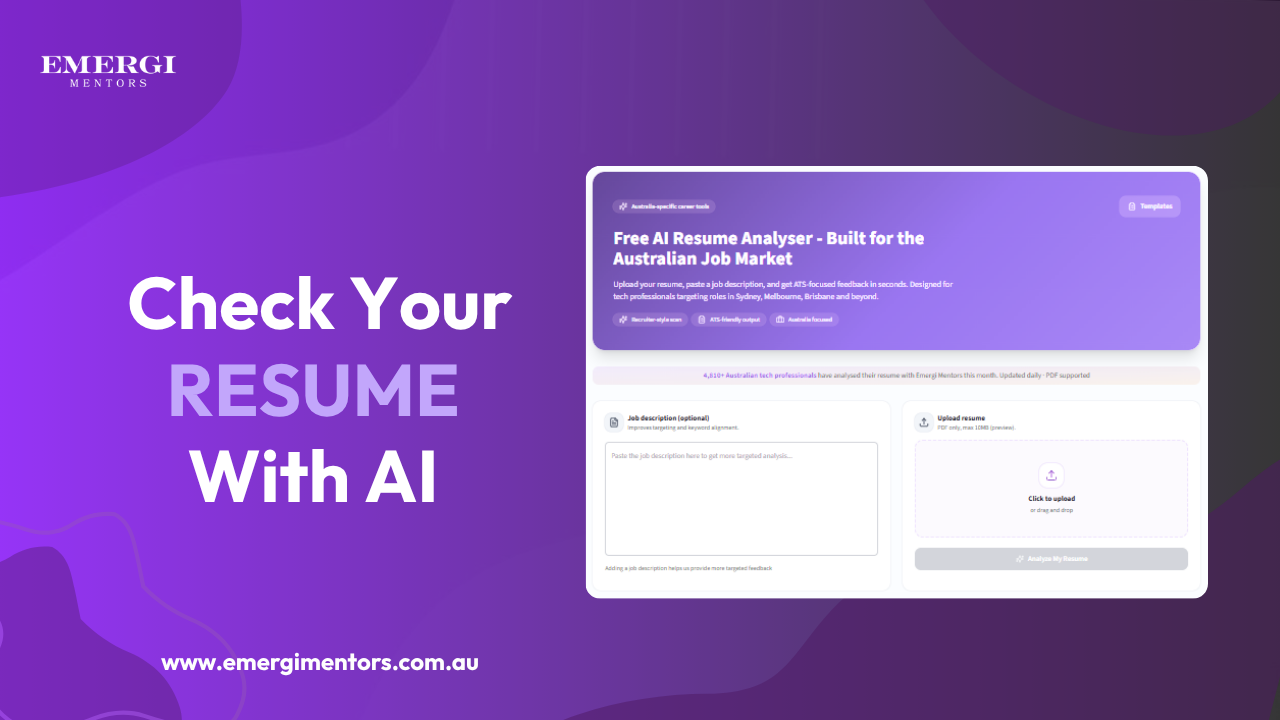
Keep your resume up to date and check for any flaws using AI resume analyzer tools, which give realistic improvement suggestions and make your resume pass ATS.
Frequently Asked Questions
Do I need to put references on my resume in Australia?
No, not unless the job ad specifically demands them. The standard practice in Australia is to write "Referees available upon request" at the bottom of your resume and keep a separate, formatted reference list ready to send when a hiring manager asks for it. Putting full referee details on every resume you send out wastes space and unnecessarily exposes your referees' contact information.
How many references should I have ready?
Two to three solid referees is the sweet spot for most Australian roles. Some government, education, and senior corporate positions may ask for three. Going beyond that is rarely necessary
When do Australian employers contact references?
Employers call references at the end of the hiring process, typically after your final interview and just before a job offer is made.
Do employers need my permission before contacting my references in Australia?
Yes. Under the Privacy Act 1988, prospective employers in Australia are required to get your consent before reaching out to your referees.
Can I see what my referee said about me? Yes, you can. Under Australian Privacy Principles, you have the right to request notes taken during a reference check from a prospective employer, recruitment agency, or reference-checking company, unless those notes involve trade secrets or could compromise someone else's privacy.
Should I use the same referees for every job I apply for?
Not necessarily. Tailor your referees the same way you tailor your resume. If the role emphasises team leadership, nominate someone who directly observed you in that capacity. If the role is technical, lead with a referee who can speak to your skills in that area.