How to Make a Resume for Your First Job - Tips for Beginners

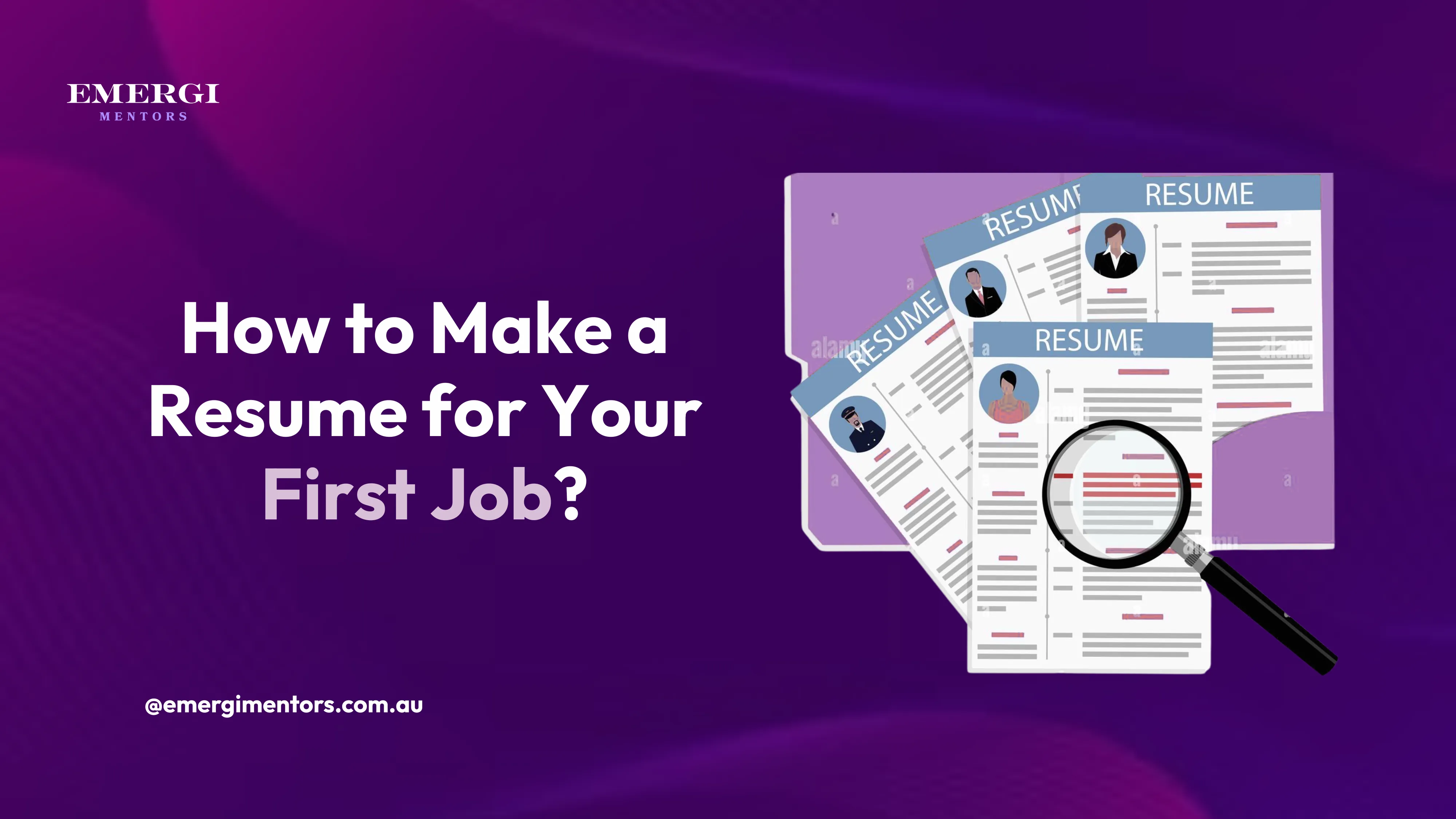
Creating your first resume can feel overwhelming, especially when you don’t have any formal work experience. But here's the truth: everyone starts somewhere. The goal of your first resume isn’t to prove a long job history but to show that you're capable, motivated, and ready to contribute. In this guide, we’ll walk you through how to make a resume for your first job, even if you feel like you have “nothing to put on it.” Whether you're a student, graduate, or career changer, this guide will help you build a resume that opens doors.
What Employers Want from First-Time Applicants
When you’re applying for your first job, you might assume employers want a long list of previous roles. In reality, they’re often looking for someone who can communicate effectively, stay reliable, and fit into a team. They want signs that you’re responsible, curious, and able to learn. This means school projects, side gigs, volunteering, and even hobbies can all matter if you present them the right way.
Start With a Clean, Professional Format
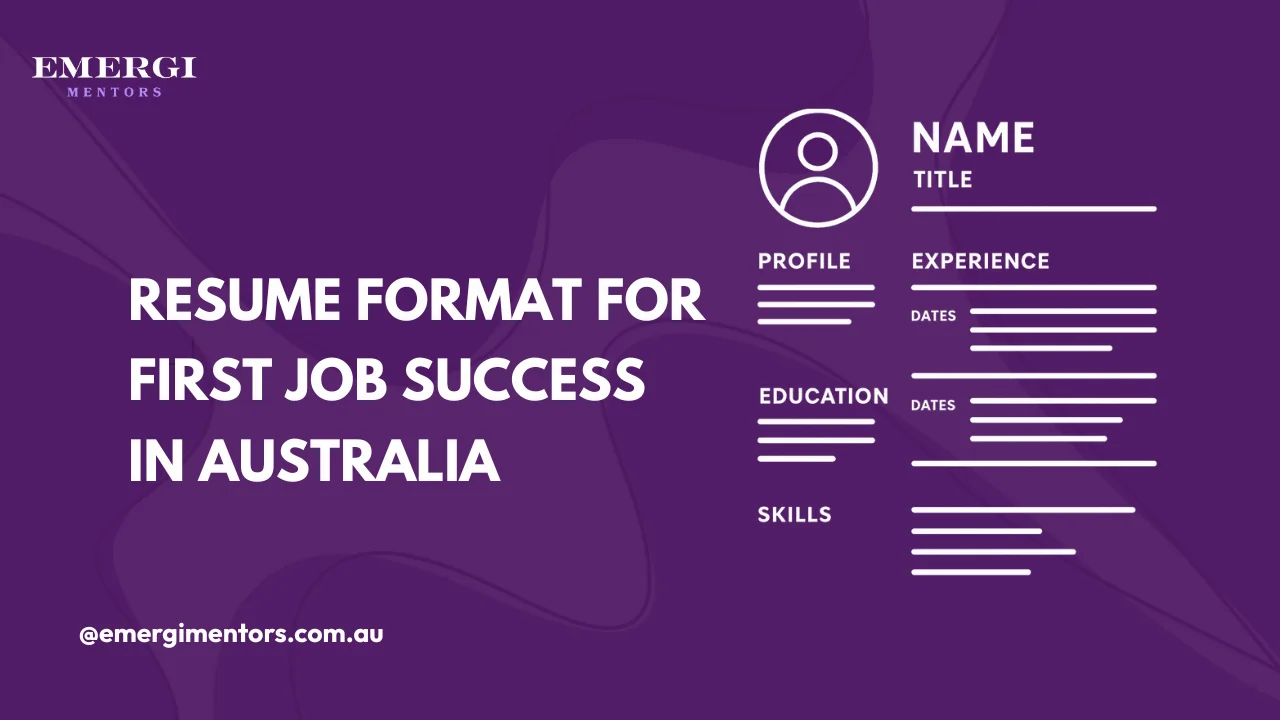
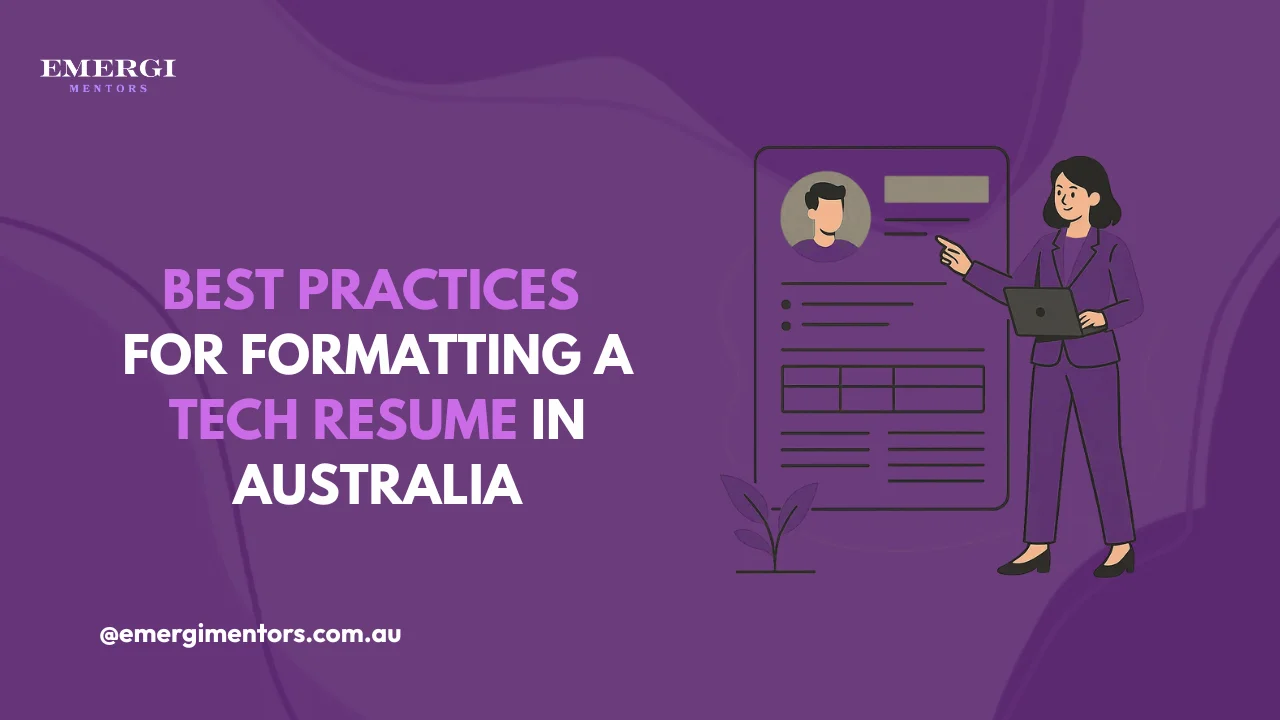
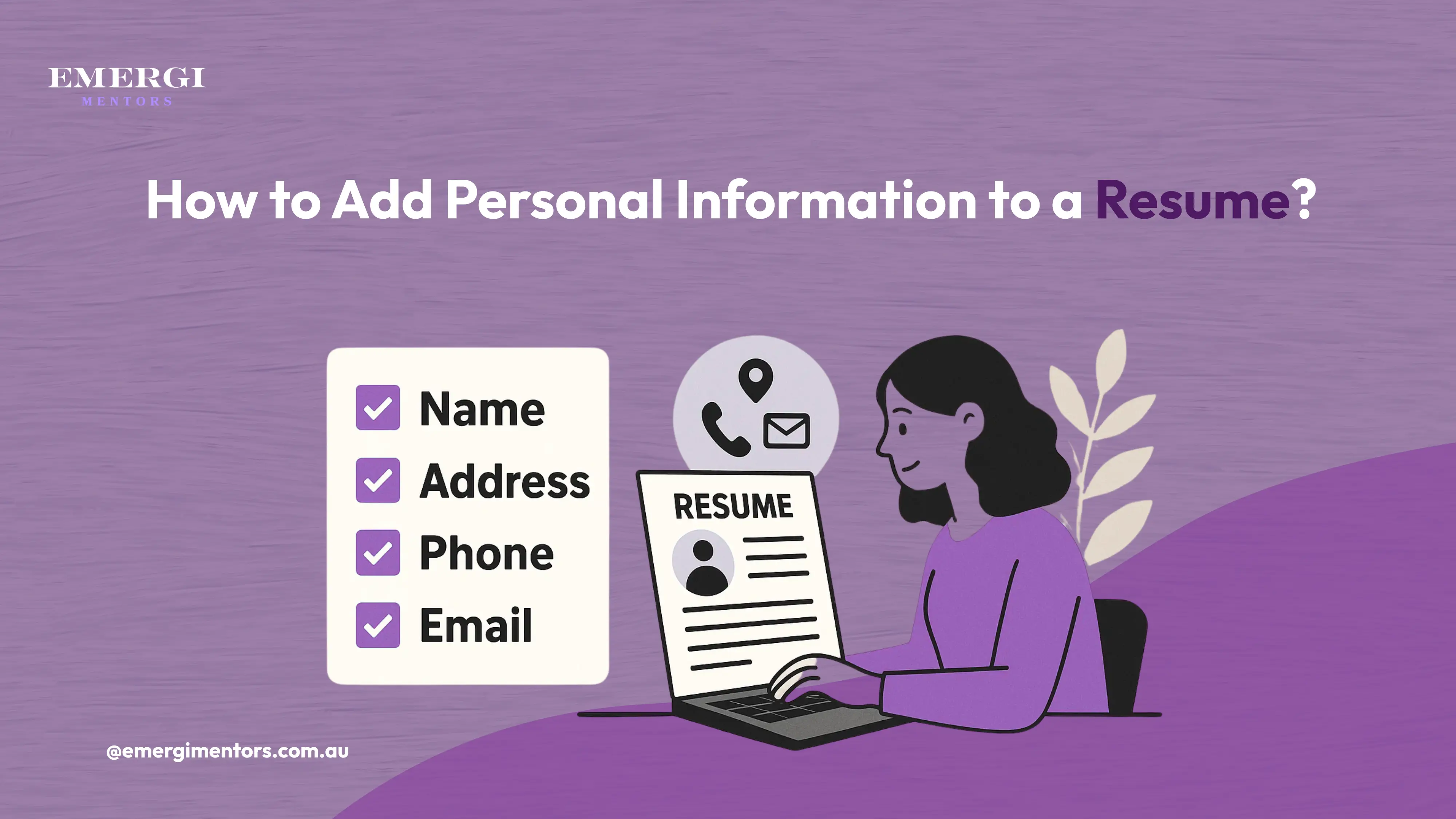
Your resume should be simple, clear, and easy to read. Use a plain white background, a basic font like Arial or Calibri, and make sure it’s all neatly aligned. Stick to one page. Include your name, phone number, professional email address, and LinkedIn profile if you have one. A clean format is the first sign that you take your job search seriously.
Lead with a Resume Summary That Shows Potential
Since you may not have a job history yet, a short summary at the top of your resume can help position you well. Think of this as your elevator pitch. It should express who you are, what skills you offer, and what kind of opportunity you’re seeking. For example, if you’re a recent graduate with strong communication skills and a willingness to learn, say that clearly and confidently. Avoid overused buzzwords and keep it authentic.
Focus on Transferable Skills and Experiences
You don’t need formal job titles to show you're capable. Think back to times when you worked with others, led a group project, organised an event, or solved a problem. These moments count. For instance, if you helped coordinate a school fundraiser or ran a personal blog, those show initiative and responsibility. Try to describe these experiences using action words and, where possible, highlight outcomes or impact.
Highlight Your Education with Context
Since education is a major section of your resume at this stage, make sure to include your school or university, graduation year, and any subjects that relate to the job. You can also list achievements like leadership roles or special projects. If you're still studying, it's completely fine to say so. Employers will appreciate knowing what you're working on and where you're headed.
Add Real-World Experiences, Even If They’re Unpaid
Many people forget that unpaid work, volunteering, school activities, and helping family businesses also count as experience. These kinds of contributions can reveal how you handle responsibility and communicate with others. If you’ve built a website for your sports team, run your club’s social media, or helped neighbours with tech problems, these are all worth mentioning on your resume.
Tailor Your Resume to Each Job
Don’t send the same resume to every employer. Read the job description carefully and look for keywords that appear more than once. Then, make sure your resume speaks to those exact skills and responsibilities. If the job ad emphasises "teamwork" or "attention to detail," make sure those words and related examples are visible in your resume. Tailoring your resume will help hiring managers immediately see how you fit. Results show that 54% of people don't tailor their resume, which results in a lack of chances of getting jobs.
Final Checks Before You Submit
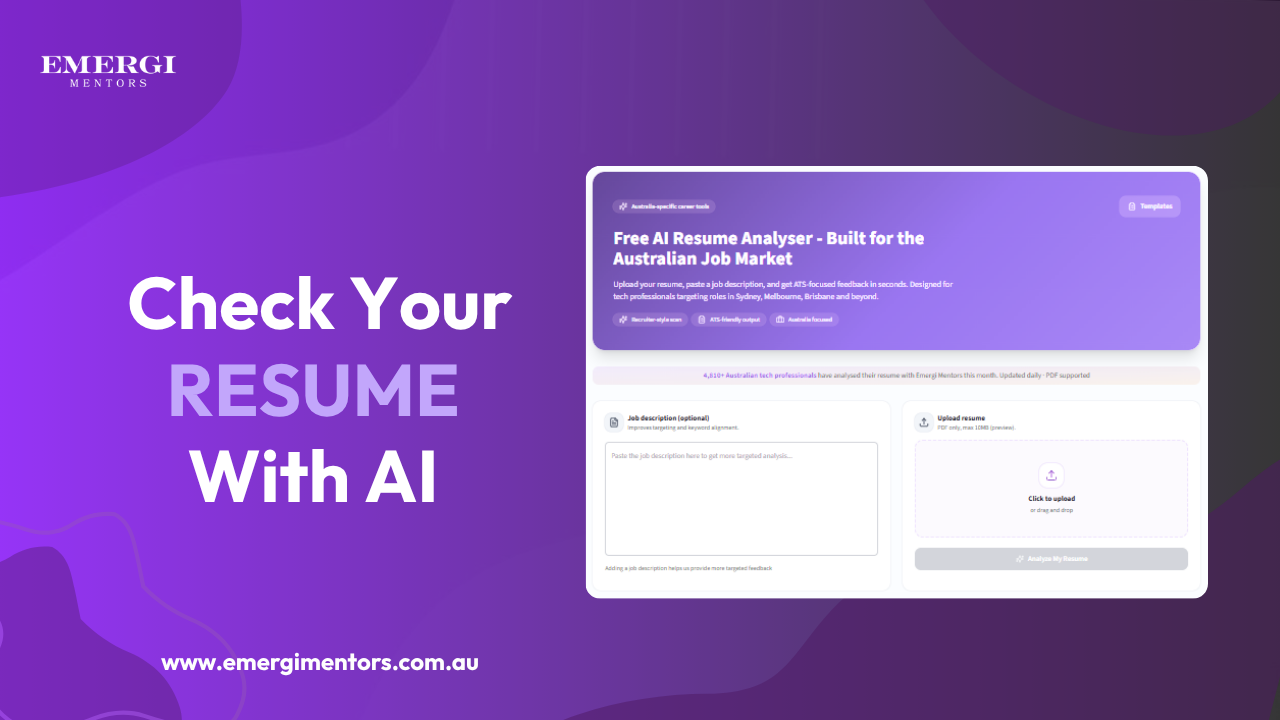
Before sending your resume out, proofread it thoroughly. You can use tools like ResumeWorded to proofread it. Spelling mistakes or formatting errors can create a negative impression. Save it as a PDF to preserve your formatting, and name the file clearly, like FirstName_LastName_Resume.pdf. Use a professional-sounding email, not the one you made in high school. Keep your tone professional, yet warm and optimistic.
Need Help Making Your Resume Shine?
Writing your first resume is a big step, and it’s okay to get help. At Emergi Mentors, we specialise in helping early-career job seekers in Australia build standout resumes, even if they don’t have formal experience yet. You can book a free resume review with one of our experienced mentors, who will give you tailored feedback and suggestions to improve your chances of landing that first job.
Our mentors know what hiring managers in tech, retail, hospitality, and admin look for. They’ll help you shape your resume so that it’s not just “okay” but confident, focused, and competitive in the job market.
You Don’t Have to Do It Alone
If you’re serious about landing your first role, there’s no reason to guess your way through. A short mentoring session could make the difference between being overlooked or getting a callback. Whether you want resume feedback or help preparing for your first interview, Emergi Mentors is here to support you. Book a session today and give yourself the head start you deserve.
Need a second pair of eyes on your resume?
Book a free resume review or 1:1 mentoring session through Emergi Mentors today.