What Are Red Flags on a Resume? 12 Mistakes to Avoid in 2025

Asking what are red flags on a resume can be the difference between landing your dream job and watching opportunities slip away. Australian hiring managers spend an average of just 7.4 seconds scanning each resume, and certain warning signs can eliminate you from consideration before they even finish reading. Let's explore the most damaging red flags and how to avoid them completely.
GET YOUR FREE ATS-FRIENDLY RESUME TEMPLATE
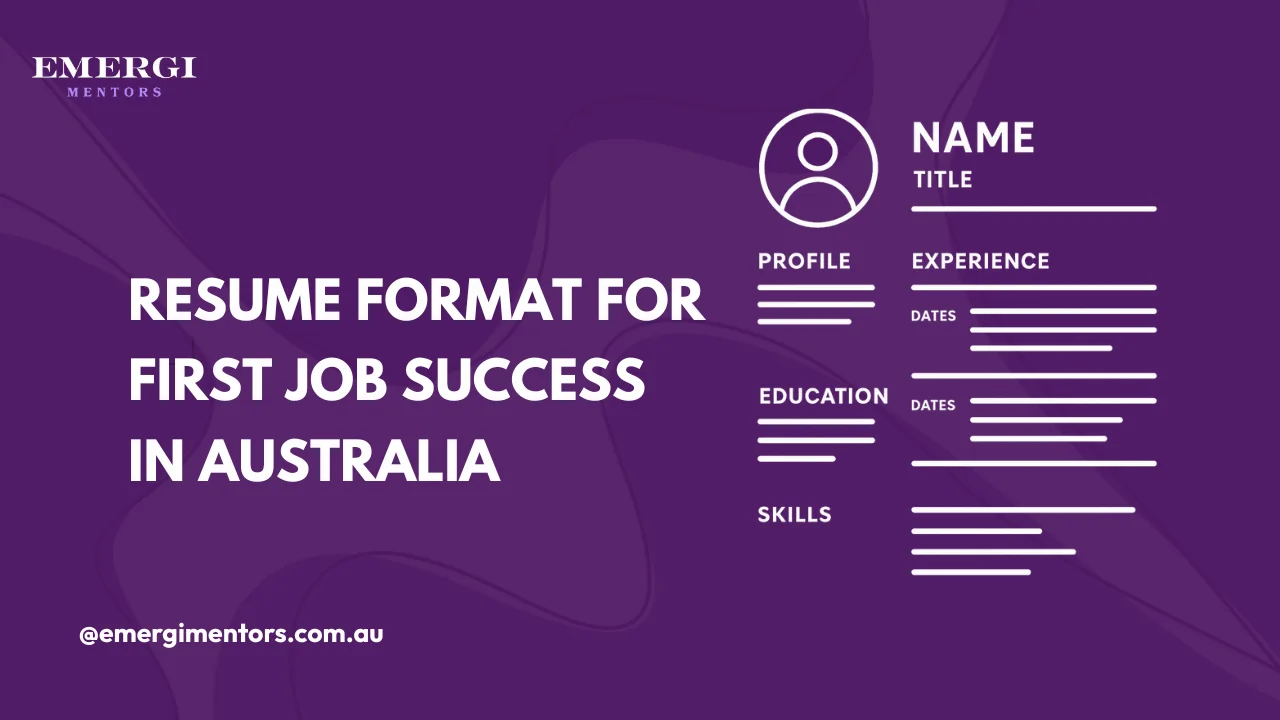
Before we dive into the red flags, set yourself up for success with our professionally designed, ATS-optimized resume template used by thousands of successful job seekers.
Instantly improve your resume format and structure.
The 12 Resume Red Flags That Hiring Managers Hate
1. Employment Gaps Without Explanation
Unexplained gaps longer than six months immediately raise questions. What are red flags on a resume more obvious than mysterious missing years? Always address gaps honestly, whether for education, family reasons, health, or career pivoting.
Fix: Include a brief, honest explanation in your cover letter or add a line like "Career Break: Family Care (2022-2023)" on your resume.
2. Job-Hopping Pattern
Multiple roles lasting less than 12 months suggest instability or poor cultural fit. This is particularly concerning in Australia's relationship-focused business culture.
Fix: If you have legitimate reasons (contract work, company closures, redundancy), note this clearly. List your contract positions as a group under one consulting heading.
3. Generic, Buzzword-Heavy Descriptions
Phrases like "results-oriented professional" or "team player" without specific evidence are meaningless fluff that hiring managers instantly recognize.
Fix: Replace buzzwords with quantified achievements: "Increased sales by 23%" instead of "strong sales professional."
Consider using these powerful words in your CV.
4. Inconsistent Formatting and Design
Poor formatting suggests a lack of attention to detail, a critical skill in most roles. Inconsistent fonts, spacing, or alignment are immediate red flags.
Fix: Use a clean, professional template with consistent formatting throughout. It's better to use only 1-2 fonts maximum in your resume.
5. Spelling and Grammar Errors
Even minor errors suggest carelessness and poor communication skills. Nothing kills credibility faster than typos.
Fix: Read aloud, and have someone else proofread. Use spell-check. Consider tools like Grammarly for additional support.
6. Outdated Email Addresses
Email addresses like "partygirl2000@hotmail.com" or "beerlover@yahoo.com" immediately damage your professional credibility.
Fix: Create a professional email using your name: firstname.lastname@gmail.com or similar.
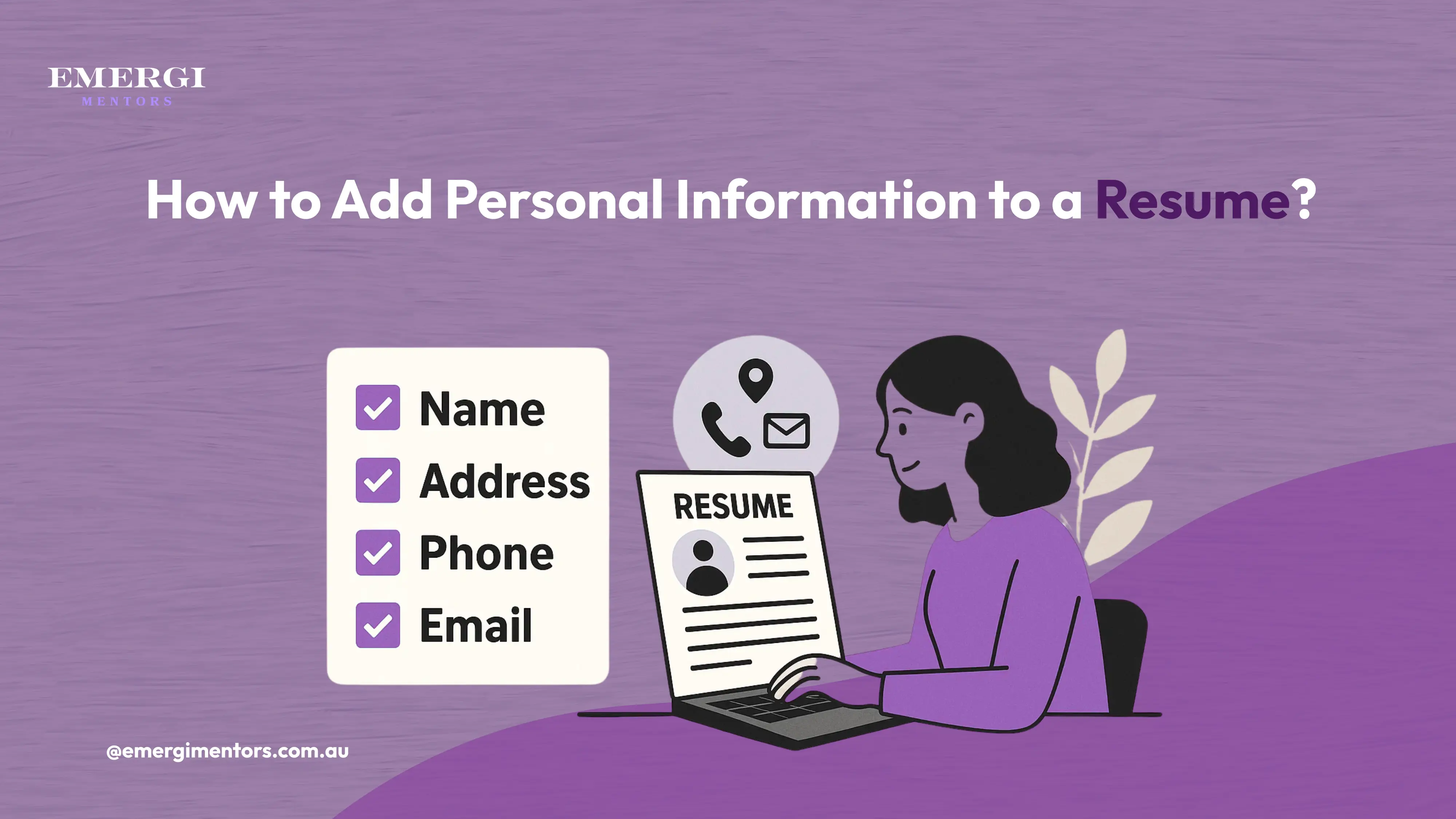
7. Irrelevant Personal Information
Including age, marital status, a photo (unless specifically required), or hobbies unrelated to the role wastes valuable space and can introduce unconscious bias.
Fix: Focus on professional qualifications and relevant achievements only.
8. Lack of Quantified Achievements
Vague descriptions without numbers, percentages, or specific outcomes make it impossible to assess your impact.
Fix: Convert every responsibility into a quantified achievement where possible. "Managed team" becomes "Led 8-person team, improving productivity by 15%."
9. Overqualification Red Flags
Applying for roles significantly below your experience level without explanation raises concerns about salary expectations, commitment, and motivation.
Fix: Address this directly in your cover letter, explaining your genuine interest and long-term career strategy.
10. Poor Professional Summary
A weak or generic professional summary fails to capture attention in those crucial first seconds.
Fix: Write a compelling 2-3 line summary highlighting your unique value proposition and key achievements.
Learn the importance of the About Me section on a resume.
11. Missing Key Industry Skills
Failing to include relevant technical skills, certifications, or industry knowledge suggests you're out of touch with current requirements.
Fix: Research current job postings in your field and ensure you've included relevant skills and certifications prominently.
12. Unprofessional References
References who are unavailable, inappropriate, or haven't been notified about potential contact reflect poorly on your judgment.
Fix: Choose professional references, confirm their availability, and brief them on roles you're applying for.
What Are Red Flags on a Resume From an ATS Perspective?
Modern recruitment often involves Applicant Tracking Systems (ATS), which introduce additional red flags:
Non-standard section headings that ATS can't recognize
Graphics and images that can't be parsed
PDF formats that aren't ATS-compatible
Missing keywords from the job description
According to some reports, over 75% of large Australian employers now use ATS system, making optimization crucial.
Industry-Specific Red Flags
Different industries have unique expectations. In Australia's finance sector, gaps in continuous professional development are particularly problematic. In Tech roles, outdated technical skills or missing GitHub profiles raise immediate concerns. Healthcare professionals must maintain current certifications without lapses.
Beyond Red Flags: Creating Resume Excellence
Understanding what are red flags on a resume is just the starting point. The best resumes don't just avoid mistakes, they actively showcase value, demonstrate cultural fit, and tell compelling career stories that resonate with Australian employers.
Your resume should reflect the impact you've made and the value you'll bring to your next role.
GET YOUR RESUME PROFESSIONALLY REVIEWED
Are you still wondering if your resume has hidden red flags? Our expert mentors have helped thousands of professionals land their dream roles across Australia. Get personalized feedback from industry leaders who know exactly what hiring managers are looking for.
Book Your Professional Resume Review Mentor
Connect with a top Emergi mentor who understands your industry and the Australian job market. Identify hidden issues, optimize for ATS, and transform your resume into a job-winning asset.
Limited free reviews are available each month. Don't let resume red flags sabotage your career. Take action today.