7 Resume Tips for Career Changers in Australia

Career change can feel discouraging. In fact, many Australian professionals face this challenge when switching to new industries. Here's the good news. You can present your experience in a way that attracts hiring managers. Below are the 7 resume tips for career changers. These will help you showcase your inner strengths and win interviews.
Want to nail your career switch? Book a free career guidance call to get personalised advice for your unique transition journey.
7 Resume Tips for Career Changers
1- Craft a Powerful Career Summary
Don't use the objective statement. Start with a convincing resume summary that explains your career change directly. Don't hide it. Get to the main part in the first few lines. Write 3-4 sentences that connect your experience to your new goals.
Focus on what unique value you bring, not what you lack. Explain why you are making the switch and what you offer. For example: "Marketing professional transitioning to UX design with 8 years of customer insight experience and recent certification in user research."
Hiring managers don't care what you want. They want to know what you offer.
2- Create a Skills-Based Resume Format
Your work history might not explain clearly that you're the "perfect fit" for your new role. That's okay. Use a skills-based or hybrid format instead.
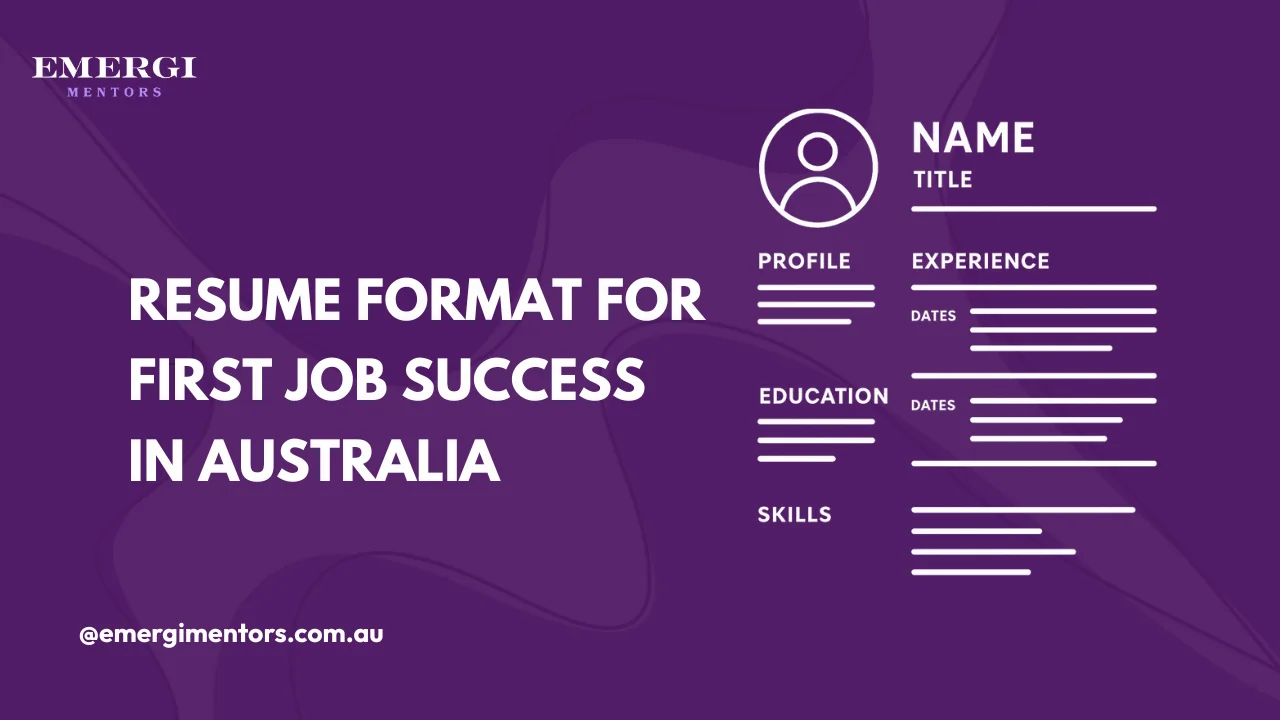
This resume format puts your capabilities up front. List your skills in categories/sections that match your target position. Add bullet points under each category, showing how you have utilised these skills.
A traditional chronological format doesn't work in your favor if you are making a resume for career changers. The format highlights what you did, not what you can do. Switch the main focus to your abilities.
3- Translate Your Experience into Transferable Skills
You have more relevant experience than you know. Soft skills like communication, leadership, problem-solving, and time management work in every industry.
Look at your past roles from a new angle. Ask yourself, did you manage projects? Have you coordinated teams and handled budgets? Have you trained new staff in your previous job? These experiences matter in your new field too.
Write about your achievements using words from your target industry. If you are transitioning to tech, write about "stakeholder management" instead of "client relationships". Match the language you use to the job ads you see.
Modify your resume with these powerful CV words that Australians use
4- Quantify Your Achievements Everywhere
Adding numbers makes your resume appear trustworthy. They prove you deliver results, not just perform tasks.
Replace weak statements with specific measurable statements.
"Increased team productivity by 35% through new workflow systems"
"Managed annual budgets across three departments exceeding $500K"
"Led cross-functional teams of 15+ members on high-priority projects"
"Reduced customer complaints by 42% in six months"
Recruiters and hiring managers scan resumes quickly. Numbers catch their eyes and stay in their memory.
5- Showcase Relevant Training and Certifications
Your licences, bootcamps and successfully completed courses prove that you are serious about your career change. Feature them prominently on your resume.
For your new qualifications, dedicate a section at the top of your resume. Include the course name, provider, and completion date. List relevant skills you gained.
Don't place this beneficial information at the bottom. Your recent training shows you have been actively trying to remove the skill gap. It tells employers that you are ready to contribute and shows your commitment to the career switch.
6- Tailor Every Application
Sending the same resume to every job you apply for, without changing it, reduces your chances. Each job needs a customised resume, so that your resume has words and skills that match the job description.
Go through the job description attentively and note which skills and experiences they highlight. Adjust your resume to highlight your matching capabilities and use keywords from job ads.
Many Australian companies use software to screen applications. Your resume needs the right words to pass through these ATS systems and reach human eyes.
Yes, tailoring your resume takes time. Get your resume reviewed by an expert mentor, who can highlight mistakes and suggest valuable edits to make sure your resume passes every screening. Sending 10 targeted resumes is better than sending 50 generic ones.
7- Include a Strong LinkedIn Profile Link
In our 7 resume tips for career changers guide, adding your professional LinkedIn profile to your resume is the final and most important tip. It gives hiring managers more background information about your career change story.
Your LinkedIn profile extends your resume. Add it to your resume header. Make sure your profile is complete and matches your resume story. Request recommendations from colleagues who can testify for your transferrable skills.
Join groups related to your target industry. Comment on relevant posts. This activity shows you actively engage and learn. Australian recruiters often check LinkedIn before contacting candidates for interviews.
Make Your Career Change Possible
These 7 resume tips for career changers give you the foundation for winning job interviews. Your diverse background is valuable, as you bring a fresh perspective that new candidates can't offer.
Put together your experience correctly and you will stand out. Focus on what value proposition you offer to clients rather than just stating your past. Make a connection between your old career and new direction.
Career change takes courage. You have already made the hard decision to pursue something different. Now, make sure that your resume reflects that commitment and your capability.
Are you searching for ongoing support through your transition?
Join our Slack community of professionals for ongoing support by expert mentors. Get professional advice, networking opportunities, and resources to fast-track your career transition.