Resume vs Cover Letter: What’s the Difference & Why Both Matter

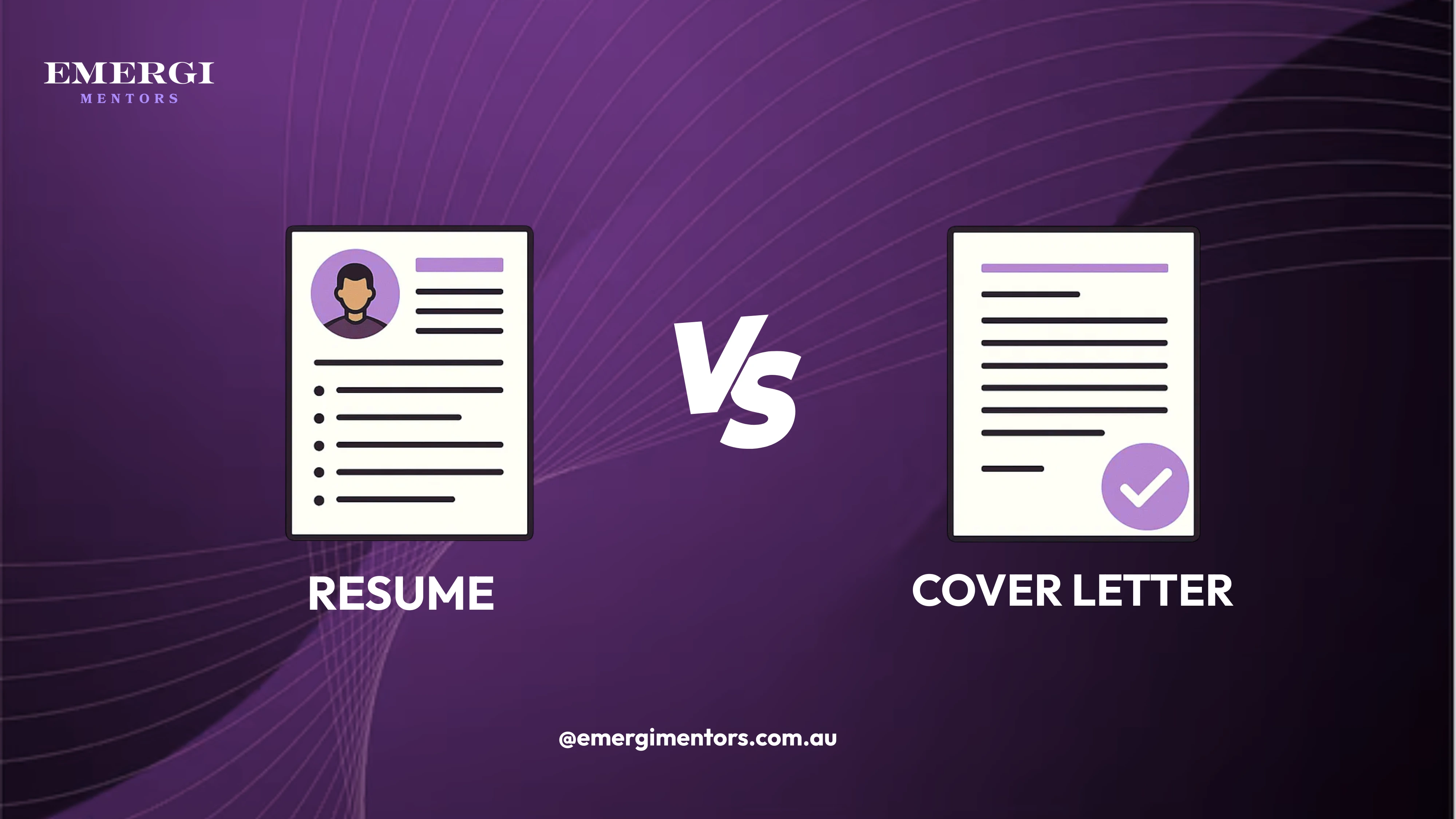
If you’re applying for jobs and wondering whether your resume or cover letter carries more weight, you’re not alone. One of the most asked questions among job seekers is, "Resume vs. cover letter?" What’s the difference and do you really need both?
The short answer: yes, you absolutely need both. But they play very different roles in your job application, and understanding how they complement each other could be what sets you apart in a competitive job market.
In this post, we’ll break down the resume vs cover letter debate in a way that actually helps you take action, whether you’re applying for your first job or pivoting into a new career path.
What is a Resume? Your Career Snapshot
Your resume is like a highlight reel. It’s a concise summary of your professional history, qualifications, and achievements. Employers often scan resumes quickly within 5-6 seconds to assess whether you meet the basic requirements of the role.
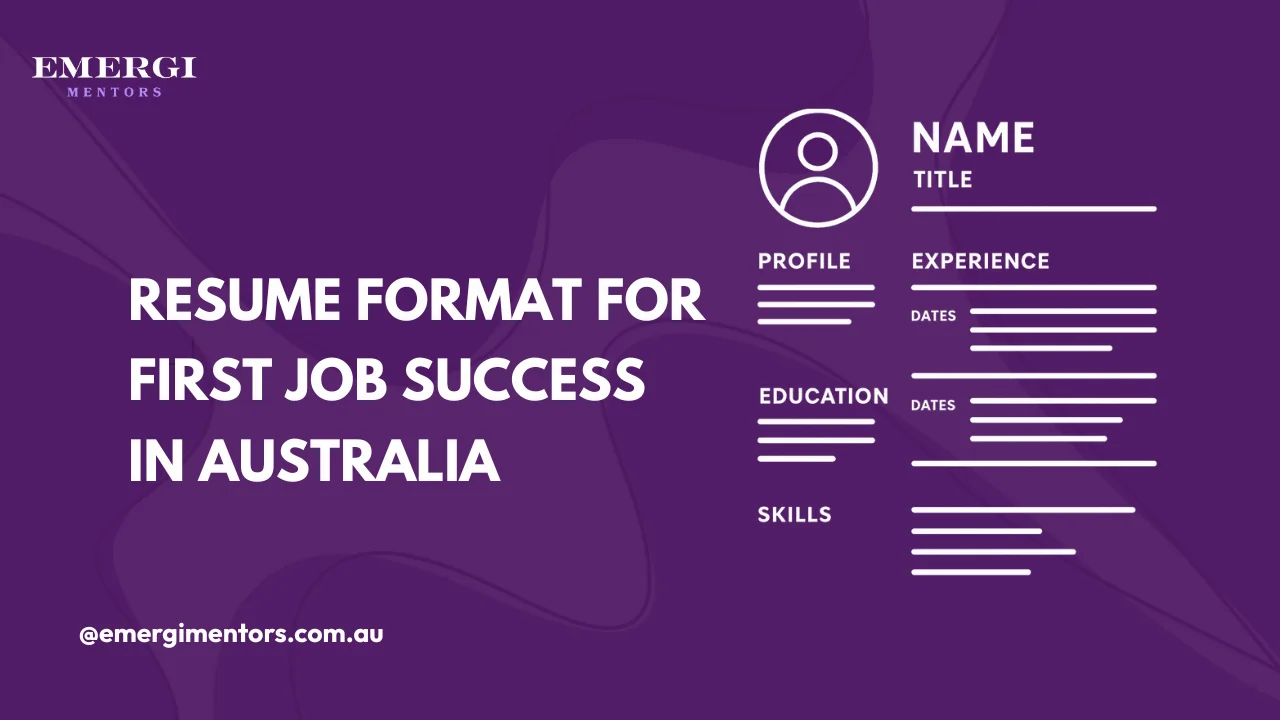
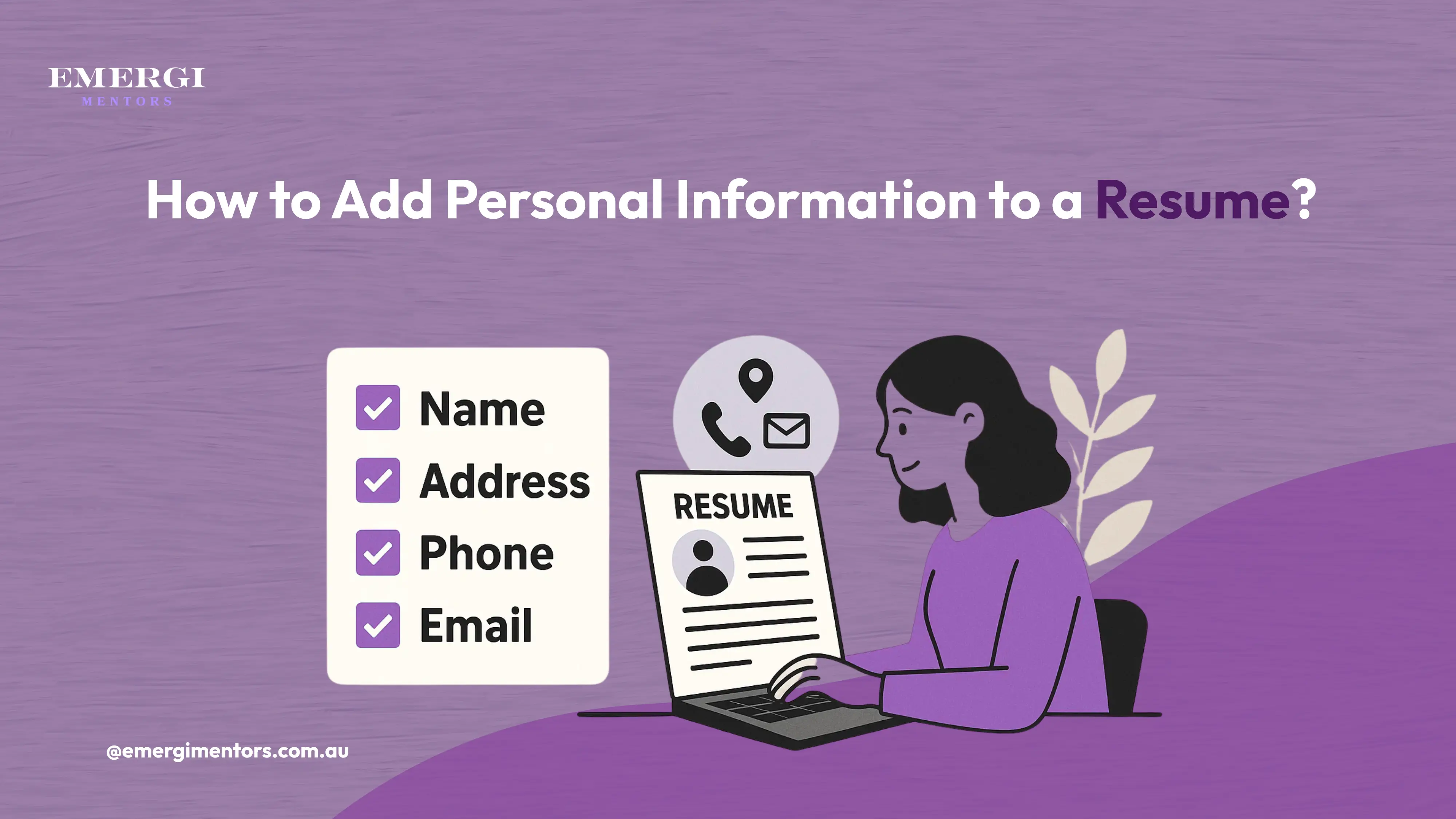
A strong resume includes:
Your contact details
A summary or objective
Work experience with achievements
Skills and certifications
Education
Think of it as your professional timeline that should be clean, keyword-rich, and convenient to scan. It tells recruiters what you’ve done and what you're capable of.
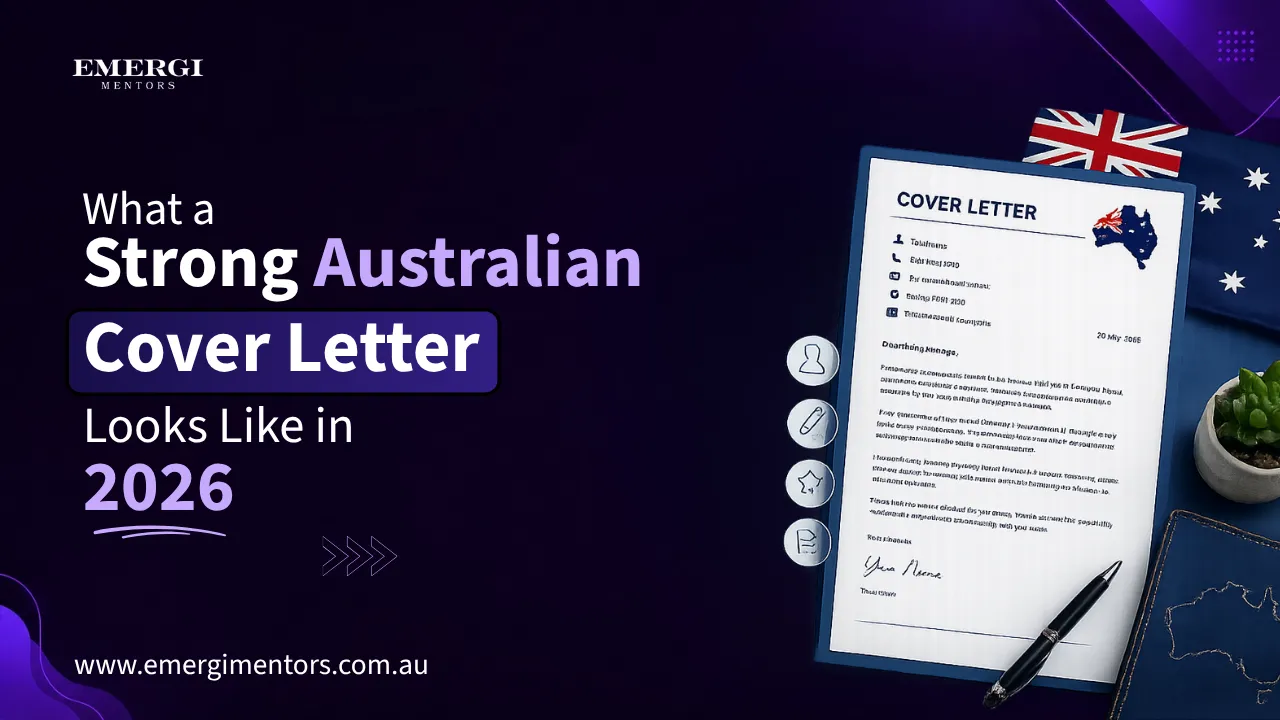
What is a Cover Letter? Your Career Story
Unlike the resume, your cover letter isn’t just about facts; it’s about personality, motivation, and fit.
A cover letter lets you explain why you’re interested in the role, how you align with the company’s values, and what you bring to the table beyond your job titles. It gives context to your resume and allows you to show your spirit and soft skills.
While resumes tell what you’ve done, cover letters answer why it matters.
For example, if you’re changing industries or have gaps in employment, your cover letter gives you space to explain your transition positively.
Resume vs Cover Letter: Why Both Are Important
Some applicants send just a resume. Others put all their energy into the cover letter. But when you use both strategically, they create a more complete, compelling picture of who you are as a candidate.
Hiring managers often read resumes first. If they’re interested, they’ll turn to the cover letter for more depth. Skipping either one risks leaving your application half-baked.
Here’s a helpful way to think about it:
A cover letter is an opportunity for candidates to express their personality and enthusiasm for the role. It allows job seekers to connect with potential employers on a more personal level. Key components of an effective cover letter are explained below:

A resume serves as a formal summary of a candidate's professional history, skills, and accomplishments. It is a critical document that provides employers with a snapshot of a candidate's qualifications. The key elements of a resume include:

Resume = credibility
Cover Letter = connection
Together, they show not just that you’re qualified, but that you care enough to put in the effort.
Are There Exceptions?
In some fast-moving or technical fields, like data analytics or IT, employers may skip cover letters altogether. But that doesn’t mean you should. If you’re competing with others who have similar experience, a well-written cover letter can tip the scales in your favour.
And in roles that value communication, like marketing, customer service, or education, cover letters are often a deciding factor.
So unless the job posting says “no cover letter needed,” always include one.
Pro Tip: Tailoring is Everything
A generic resume and a one-size-fits-all cover letter won’t get you far. Every job application deserves a custom approach.
Use the job description to set your resume keywords. Then in your cover letter, reflect the company’s mission and explain why this role fits your career journey.
Not sure where to start? It can help to review data analyst resume examples or other field-specific samples to see what top performers are doing.
A Mentor Can Help You Craft a Job-Winning Pair
Struggling to write a resume or cover letter that actually gets callbacks? You’re not alone. Many professionals find it hard to write about themselves, especially when trying to stand out.
That’s where mentorship can help. At Emergi Mentors, we connect you with career mentors who’ve been on both sides of the hiring table. Whether you need help formatting your resume or refining your cover letter story, our mentors provide practical, 1:1 feedback to help you land interviews faster by avoiding resume red flags and mistakes in your cover letter.
Final Thoughts
It’s Not Resume vs Cover Letter; It’s Resume and Cover Letter
The truth is, it’s not a competition. Resumes and cover letters serve different but equally valuable purposes in your job search.
If you want to make a strong first impression, you need both. Use your resume to show what you’ve accomplished. Use your cover letter to explain why it matters and why you’re the right person for the job.
Feeling unsure about where to start?
Book a 1:1 resume and cover letter review with a mentor on Emergi Mentors and walk into your next job application with confidence.