Australian Resume Format Sample: Your Guide To Landing Jobs

Applying for jobs in Australia with an international resume format could be costing you interviews. The Australian resume format is different from the US, UK, and other international standards. And getting it wrong sends the wrong signal to local employers.
Whether you're a recent graduate looking for entry-level tech jobs, an international job seeker, or a professional looking to relocate within Australia, understand the proper Australian resume format sample as it's crucial for success in this competitive job market.
Here's your comprehensive guide to creating a resume that stands out to Australian employers and passes their specific expectations.
What Makes Australian Resume Format Unique?
The US standard is a one-page CV, and Australian resumes are typically two to three pages long. And mostly four for experienced professionals depending on your work experience and skills. This length allows for more detailed descriptions of achievements and responsibilities that Australian employers value.
The Australian resume format also excludes certain personal information that's common elsewhere. Don't include personal information. Things like photographs, marital status, or references unless they are requested. This reflects Australia's strict anti-discrimination laws and workplace equality standards.
In United States, Australia, and Canada, resumes are generally preferred focusing on relevant experience and skills. Make the document more targeted than the comprehensive CVs used in other regions.
Essential Components of Australian Resume Format Sample
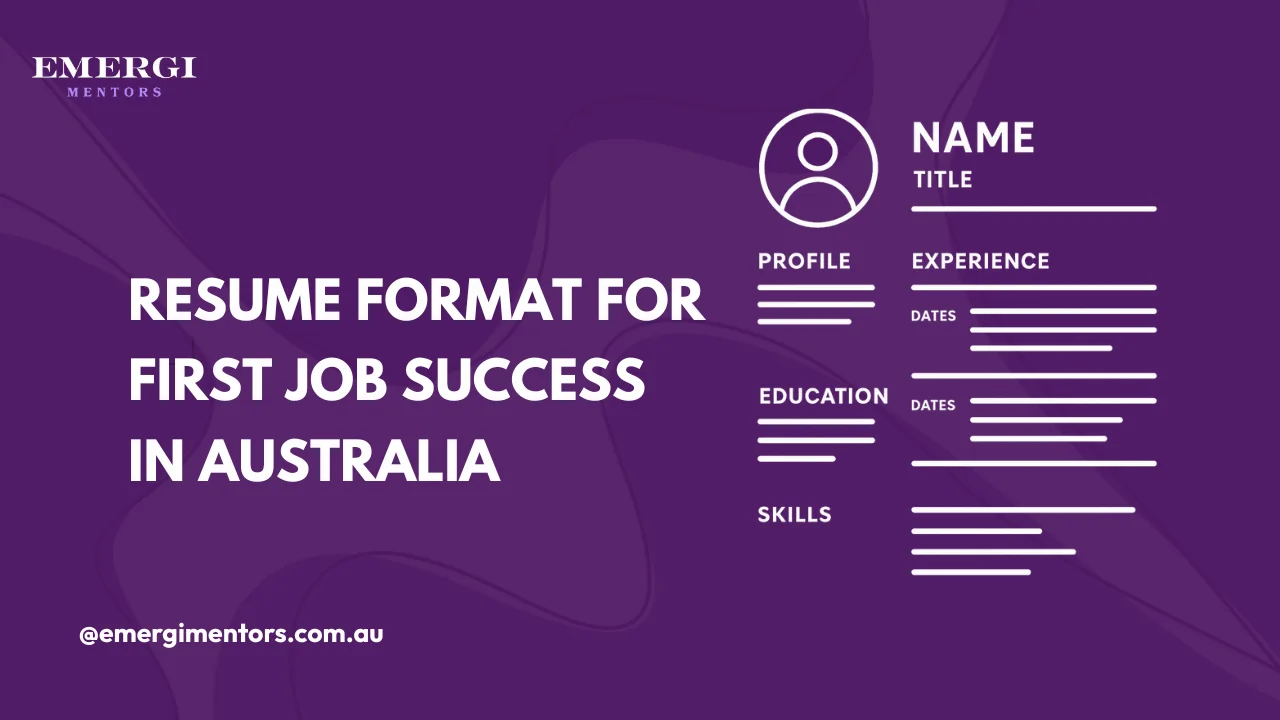
Header Section
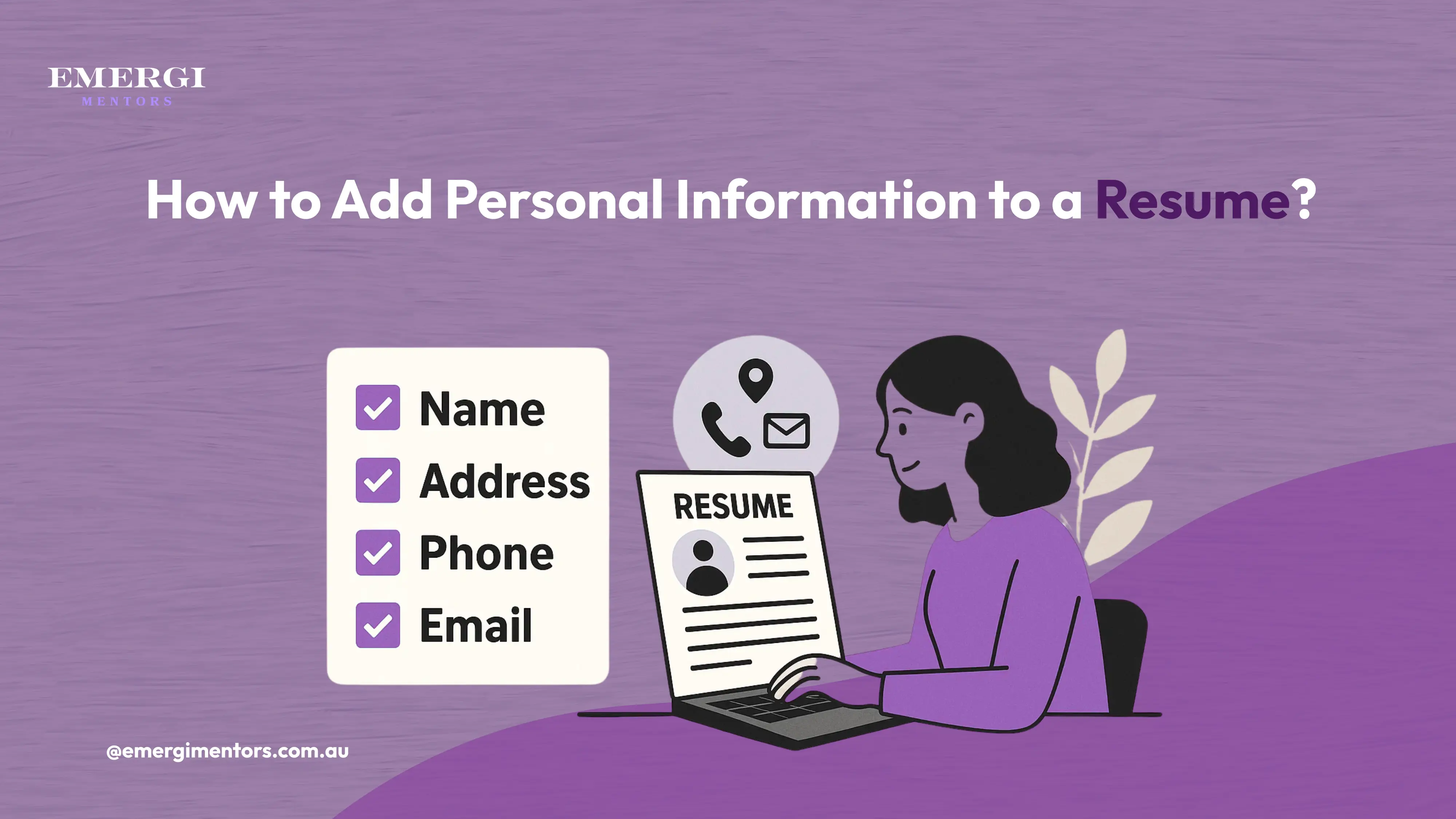
Your resume/CV should have a header that has your full name, an email address. Include the right phone number with an international dialling code in Australia. For international applicants, include your visa status or working rights clearly.
Professional Summary
Replace the traditional "objective" with a strong professional summary. These 3-4 line section should highlight your key abilities and career focus. So that it immediately tells employers why you're the right fit.
Key Skills Section
Australian employers appreciate a dedicated skills section that's convenient to scan. Key skills are neatly listed in their own section, making it simple for recruiters to identify relevant capabilities quickly.
Work Experience: The Heart of Your Australian Resume Format Sample
The work experience section on an Australian resume is usually more detailed than on any other resume. Australian recruiters appreciate information about a candidate's work history, roles, responsibilities, and career achievements in detail.
Structure each role with:
Job title and company name
Employment dates (month/year format)
4-6 bullet points detailing achievements
Quantified results wherever possible
Education Section
List your qualifications in reverse chronological order. Include institution names, degrees, graduation dates, and relevant coursework or honors. For international qualifications, consider mentioning Australian equivalency.
Additional Sections for Australian Resume Format Sample
Professional Development: Certifications, training, workshops
Technical Skills: Software, programming languages, data tools
Volunteer Work: Highly valued in Australian workplace culture
Languages: Particularly valuable in multicultural Australia
Three Proven Australian Resume Format Sample Templates
1. Chronological Format (Most Popular)
A chronological format is the most common format and emphasises career progression. Perfect for professionals with steady career advancement and no significant employment gaps.
Best for: Traditional career paths, promotions within companies, consistent industry experience.
Use these ATS friendly resume templates for quick customising.
2. Skills-Based Format
A skills-based resume format prioritises your skills over your work experience. This approach works well for career changers or those with diverse experience.
Best for: career transitions, returning to the workforce, and diverse skill sets across industries.
3. Combination Format
A combination format merges chronological and skills-based approaches, offering flexibility for complex career narratives.
Best for: Senior professionals, consultants, and those with varied experience levels.
Design and Formatting Best Practices
Keep your CV design simple and professional, with plenty of white space. Use a simple font like Arial, Calibri in a font size of 11-12 pt that's easily read. Australian employers prefer clean, easy-to-scan documents over flashy designs.
This resume format is easiest to read. Your career narrative is explicitly stated in the Executive Summary, ensuring recruiters can quickly understand your value proposition.
Common Mistakes to Avoid in Australian Resume Format Sample
Length Confusion: Don't try to squeeze everything onto one page. Australian employers expect comprehensive information, so use the space effectively.
Personal Information: Never include age, marital status, nationality, or photos unless specifically requested (rare in mainstream roles).
References: Don't list them unless specifically asked. Stating "References available upon request" is not needed.
Spelling and Terminology: Make sure to use Australian formats and spelling. Use "mobile" instead of "cell phone," "organisation" instead of "organization."
Industry-Specific Australian Resume Format Sample Considerations
Technology Sector: Emphasize technical skills prominently, include GitHub profiles, and highlight innovation projects.
Healthcare: Include registration numbers, continuing education requirements, and patient care experience.
Education: Focus on teaching philosophy, student outcomes, and professional development activities.
Finance: Highlight regulatory knowledge, certifications (CPA, CFA), and quantified business results.
ATS Optimization for Australian Resume Format Sample
The Australian job market is infamously competitive, especially in Sydney and Melbourne. Make sure your resume passes the Applicant Tracking Systems(ATS) by:
Using standard section headings
Including relevant keywords from job descriptions
Saving in a commonly accepted format: Microsoft Word or PDF
Avoiding complex formatting or graphics
Not sure if your resume will pass ATS screening?
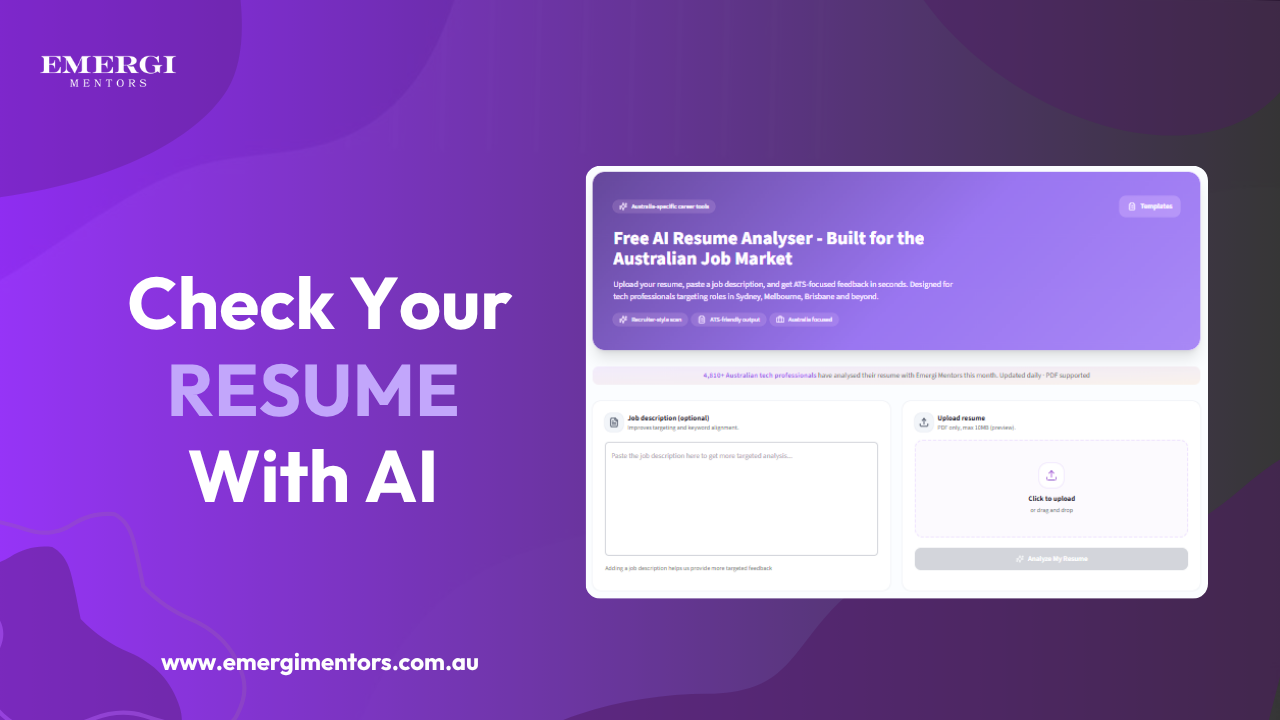
Upload it to the free Resume Analyser and get instant feedback on format, keywords and structure for the Australian job market.
Tailoring Your Australian Resume Format Sample
Never send the same resume to every job. Create a master resume and tailor your work experience to the role you're applying for. This customisation shows genuine interest and increases your chances of passing initial screenings.
Research each company's values, relevant news, and specific job requirements. Adjust your professional summary and highlight achievements that align with their needs in relevancy.
Final Tips for Australian Resume Format Sample Success
Quantify Everything: Australian employers love measurable results. Use percentages, dollar amounts, timeframes, and team sizes wherever possible.
Show Cultural Fit: Highlight teamwork, collaboration, and work-life balance awareness, values highly prized in Australian workplace culture.
Professional Email: Use a simple, professional email address. Avoid nicknames or overly creative addresses.
Consistency: Ensure consistent formatting, date formats, and terminology throughout your document.
Ready to Transform Your Job Search?
Creating the perfect Australian resume format samples requires understanding local expectations, cultural nuances, and industry standards. While templates provide structure, personalization and strategic positioning make the difference between callbacks and silence.
Need expert guidance on your Australian resume format?
Connect with Emergi Mentors' career mentors who specialize in Australian job market success. Our mentors help you:
Perfect your Australian resume format for maximum impact by providing free resume review service
Optimize for ATS systems used by Australian employers.
Tailor applications for specific industries and roles.
Navigate cultural expectations in Australian workplaces
FAQs: Australian Resume Format Sample
How long should an Australian resume be? Most Australian resumes run two to three pages. Graduates and early-career applicants can stay at two, and senior professionals with long track records may stretch to four. A one-page resume rarely works, because local employers expect detail on responsibilities and measurable achievements.
What is the difference between an Australian resume and a US resume? The Australian resume format is longer and more detailed, usually two to four pages against the US one-page standard. It also leaves out photos and personal details, opens with a professional summary instead of an objective, and includes a dedicated key skills section.
What should I include in an Australian resume? Include your full name, mobile number, professional email and work rights, then a professional summary and key skills. Follow with work experience in reverse chronological order, education, and professional development. Volunteer work and languages are optional extras that Australian employers value.
Should I put a photo or personal details on my Australian resume? No. Leave out your photo, age, marital status and nationality unless the employer asks for them, which is rare in mainstream roles. Australian anti-discrimination laws shape hiring practice, so recruiters prefer resumes that focus only on skills and experience.
Do I need to include my visa status on an Australian resume? If you are an international applicant, yes. State your work rights clearly in the header so recruiters can see straight away that you are eligible to work. A short line is enough, so avoid long explanations of your visa history.
Should I include references on an Australian resume? Not by default. Most employers ask for referee details after an interview, so there is no need to list them or add “references available on request.” Keep two or three professional referees ready to share when asked.
Which resume format is best in Australia? The chronological format is the most popular and suits steady career progression. A skills-based format works better for career changers or people returning to work. A combination format suits senior professionals and complex career histories.
How do I make my Australian resume ATS-friendly? Use standard section headings, mirror keywords from the job description, and save the file as Word or PDF. Avoid graphics, text boxes and complex layouts, because applicant tracking systems can misread them and drop key details.
What font and size should I use? Use a clean font like Arial or Calibri at 11 to 12 pt, with plenty of white space. Australian recruiters favour documents that are easy to scan over heavily designed templates.
Should I use Australian spelling on my resume? Yes. Write “organisation,” “customise” and “mobile” (not “cell phone”) to match local conventions. Consistent Australian spelling and date formats show attention to detail and familiarity with the local market.
Should I tailor my resume for each job in Australia? Yes. Keep a master resume, then adjust your summary, skills and achievements to match each role. Tailoring helps you pass ATS screening and shows genuine interest in the employer.
Can Emergi Mentors review my Australian resume for free? Yes. The career mentors at Emergi Mentors offer a free resume review covering format, ATS optimisation and industry-specific tailoring for the Australian job market. You can book a session through the free strategy call.
Book Your Resume Reviw Call Today and create an outstanding resume.