How to Get a Data Analyst Job in Australia: 5 Proven Steps for 2026

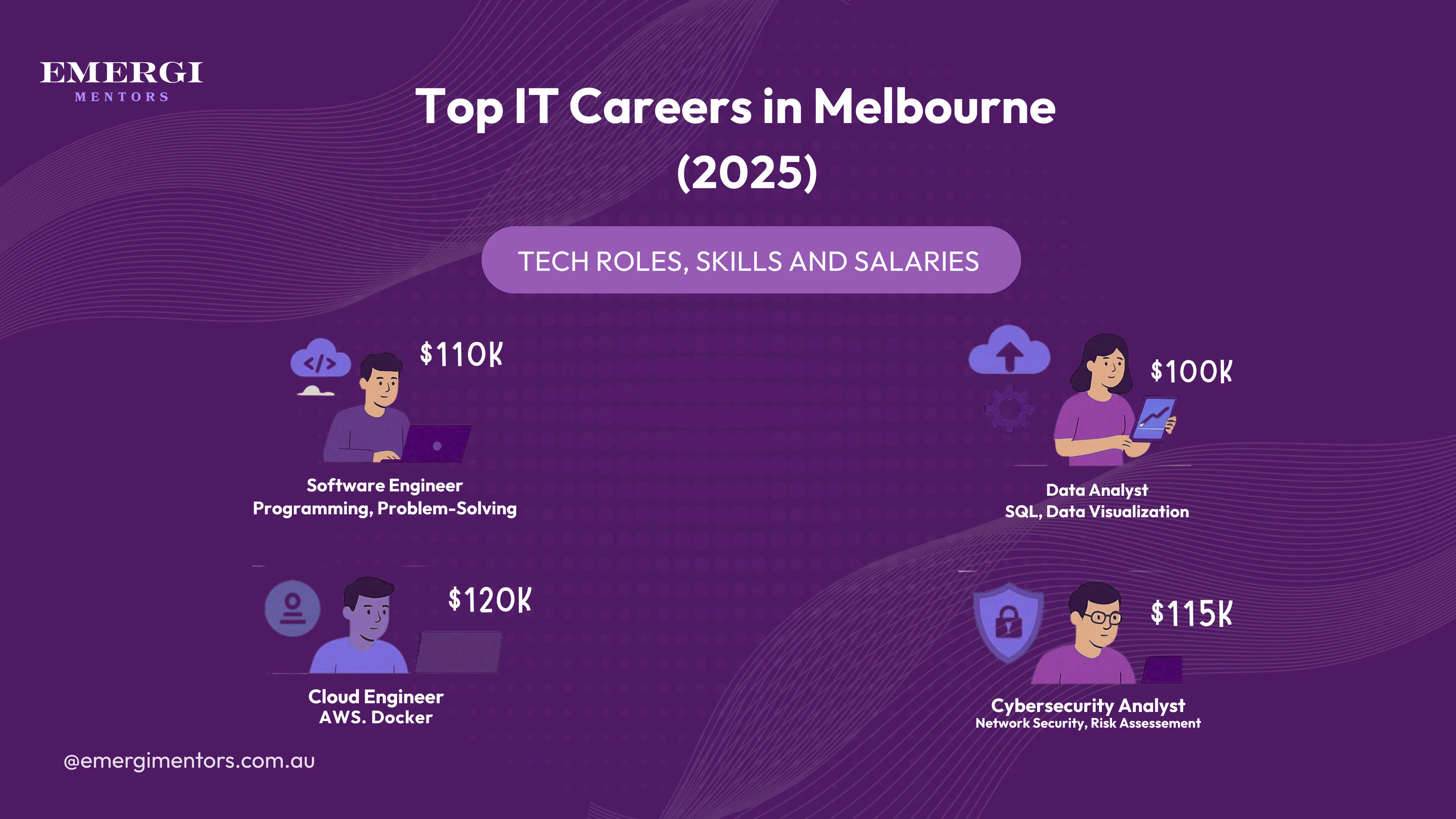
I have seen my friend struggling to land a data analyst job in Australia in 2026. From his journey, I realised that it comes down to these five things when trying to get a data job in Australia: a verified skill stack (SQL, Power BI, or Tableau (visualisation techniques) and ideally the PL-300 certification), a portfolio of three to five real world projects that solve an Australian business problem, a resume and LinkedIn profile localised for Australian recruiters and ATS software, genuine local Australian experience, and a targeted application and interview strategy. Australian data analysts currently earn between $95,000 and $115,000 on average, according to SEEK, and the role is projected to grow 23.2% over the next five years. For most job seekers, especially career changers, international graduates, and new migrants, the barrier is not talent. It is one or more of these five gaps. Here is exactly how to close each one.
Why the Australian Data Analyst Market Rewards This Approach
Australia’s hiring market is more structured and qualification-based than international markets like the US or UK. Data analytics hiring is genuinely strong. Employers in finance, healthcare, retail, and government make up most of the demand, concentrated in Sydney and Melbourne. Although Brisbane and remote roles have expanded the market. According to SEEK's salary insights, the national average sits between $95,000 and $115,000, with senior and Sydney-based roles going well past $130,000. That growth is a real hiring signal, but Australian hiring managers still select candidates based on provable local relevance and structured proof of skill, not just qualifications on paper. People with real world experience who can interpret data and make informed decisions- that is what the five steps below are built to fix.
Step 1: Build the Skill Stack Australian Employers Actually Screen For
Most Australian data analyst occupation ads repeat the same core requirements, so start there instead of trying to learn everything at once.
- SQL: joins, aggregations, window functions and subqueries are tested in almost every technical screen.
- Power BI (or Tableau) Power BI dominates Australian enterprise and government stacks because of the Microsoft 365 ecosystem and visualisation techniques most local employers already run on.
- Excel still the baseline tool for reporting in mid-size Australian businesses; advanced formulas and pivot tables are assumed knowledge.
- Python or R increasingly requested as employers adopt AI-enabled analytics workflows, even in traditionally BI-only roles.
- A recognised certification, particularly Microsoft's PL-300 (Power BI Data Analyst Associate), signals verified competence to recruiters who are screening dozens of similar-looking resumes.
You do not need to master all five before applying. Sequencing matters more than tools: get SQL and one visualisation tool to a job-ready standard first, then layer in certification and Python.
Step 2: Build a Portfolio ofAustralia-Relevant Projects
A portfolio is what gets you shortlisted in Australia's competitive graduate and career-change pool, because it proves you can do the job rather than just describe it. Three to five well-documented projects outperform ten shallow ones.
- Use Australian-context data where you can (ABS datasets, occupation lists, SEEK job market trends, retail or housing data) so the work reads as directly relevant, not generic.
- Show the full pipeline from raw data through cleaning, analysis, and a finished Power BI or Tableau dashboard, not just a chart.
- Write a short case study for each project explaining the business question, your method, and the recommendation you'd give to a stakeholder.
- Host it publicly on GitHub and link it directly to your resume header and LinkedIn featured section.
Demand for this proof is only increasing. Our breakdown of whether data analyst roles are still in demand across Australia covers the sectors hiring fastest right now and where a strong portfolio carries the most weight.
Not sure which skills or projects actually matter for your situation?
The gap looks different for each job seeker, whether it's a missing certification, a thin portfolio, or a resume that isn't landing interviews. A free strategy call with an Emergi Mentors data analyst mentor gives you a clear, personalised read on where you stand and what to fix first, no pressure, no obligation.
Step 3: Localise Your Resume, LinkedIn, and Cover Letter
A resume built for other international markets rarely survives an Australian applicant tracking system. Australian recruiters expect a two-page, reverse-chronological resume with quantified achievements, keywords pulled directly from the job ad, and a visible link to your portfolio.
- Use the language of the job ad ("stakeholder reporting," "data cleaning", "dashboarding") so ATS keyword matching works in your favor.
- Rewrite your LinkedIn headline and About section around the Australian market and the roles you're targeting, not a generic global template.
- Tailor your cover letter to each employer rather than reusing one version, referencing the company or team by name.
For a line-by-line example of what local recruiters actually respond to, see our guide to a cover letter sample built for the Australian market, including free templates. If your Excel skills need a refresh before you start applying, this rundown of the essential Excel formulas Australian employers expect is a fast way to close that gap.
Step 4: Close the "Australian Experience" Gap
This is the step that quietly stops most applications, and it is rarely about skill. Australian employers consistently favor candidates who can point to local, workplace-relevant experience, which creates a catch-22 for career changers, international graduates, and recent migrants: you need work experience to get hired, and you need to be hired to get work experience.
The most reliable way through it is a structured, RTO-accredited internship placed with an actual Australian business, because it gives you a genuine local reference, real workplace context, and a credible line on your resume that a self-paced course cannot replicate. Volunteering analytics support for a local not-for-profit or community organisation is a smaller-scale version of the same fix if a formal internship isn't accessible yet.
Step 5: Apply Strategically and Prepare for Interviews
Once your skills, portfolio, and documents are ready, how and where you apply matter almost as much as the applications themselves.
- Apply where Australian employers post: SEEK, LinkedIn Jobs, Jora, and company career pages directly, plus government graduate programs if you're eligible.
- Customise every application rather than mass-applying with one resume version.
- Get prepared for two interview types: technical (SQL queries, a Python or Excel exercise, sometimes a live case study) and behavioural (how you communicate insights to non-technical stakeholders).
For a full breakdown of what Australian employers actually ask and how to structure strong answers, work through our complete guide to data analytics interview questions. And if you're weighing this role against the pay for related titles, our 2026 breakdown of data analyst income in Australia shows how salary shifts by city, industry and work experience level so you can negotiate from real numbers.
Master All Five Steps with Support
Most people trying to break into data end up doing these five steps alone, in the wrong order, without knowing which parts are valuable to employers. Emergi Mentors' Full Stack AI-Enabled Data Analytics and Engineering Program was built to close this gap.
It's a 6-month, AI-enabled pathway combining 12 weeks of live training, 15+ portfolio projects, PL-300 exam preparation, and a guaranteed 12-week Australian internship through an RTO-accredited provider on eligible plans, so the "local experience" problem in Step 4 is solved for you, not left for you to figure out.
We offer a 7-day money-back guarantee, so there's no risk in seeing if it's the right fit.
None of these five steps require starting from zero. Most job seekers already have two or three in place and lose momentum on the ones that feel hardest to self-direct. And we know it's usually the portfolio and the local experience gap. Work through them in order, be honest about which one is actually holding your applications back and fix that one first.
Frequently Asked Questions
How long does it take to get a data analyst job in Australia?
Most career changers with a structured plan take three to six months from starting to learn core skills to receiving an offer. The timeline reduces with a completed portfolio, a certification like PL-300, and local Australian work experience already in place.
Do I need the PL-300 certification to get hired as a data analyst in Australia?
It isn't a strict requirement, but it is one of the fastest ways to signal verified Power BI skill to Australian recruiters, particularly given how much of the local market runs on the Microsoft stack. Candidates without it can still be competitive with a strong portfolio and clear SQL skills.
Can I get a data analysis job in Australia without local work experience?
Yes, but replacing local experience takes some real effort. An accredited internship, volunteer analytics work with a local organisation, or a mentor who can speak to the quality of your work can all help bridge the gap that a resume alone can't.
What is the average salary for data analyst in Australia in 2026?
The average data analyst salary starts at $95,000 to $115,000 per year, with Sydney and senior roles trending higher. Check the Emergi Mentors salary calculator for figures by city and experience level.
Is data analyst still a good career choice in Australia?
Yes. Demand remains strong across finance, healthcare, retail, and government, with a projected 23.2% growth over the next five years.