How to Accept a Job Offer Professionally

Receiving a job offer is exciting, but knowing how to accept a job offer professionally is crucial for starting your new role on the right foot. The way you handle this final step can set the tone for your entire employment relationship and demonstrate your professionalism from day one.
Whether this is your first job offer or you're a seasoned professional, understanding the proper process ensures you don't miss important details or make costly mistakes during this critical moment in your career.
Before You Learn How to Accept a Job Offer: Review Everything
Don't rush into acceptance just because you're excited. Take time to thoroughly review the entire offer package. This includes salary, benefits, start date, job title, reporting structure, and any special conditions or requirements.
Create a checklist of all offer components and verify each detail matches what was discussed during interviews. If anything seems unclear or different from your expectations, now is the time to seek clarification before learning how to accept a job offer formally.
Negotiation: The Step Before Accepting
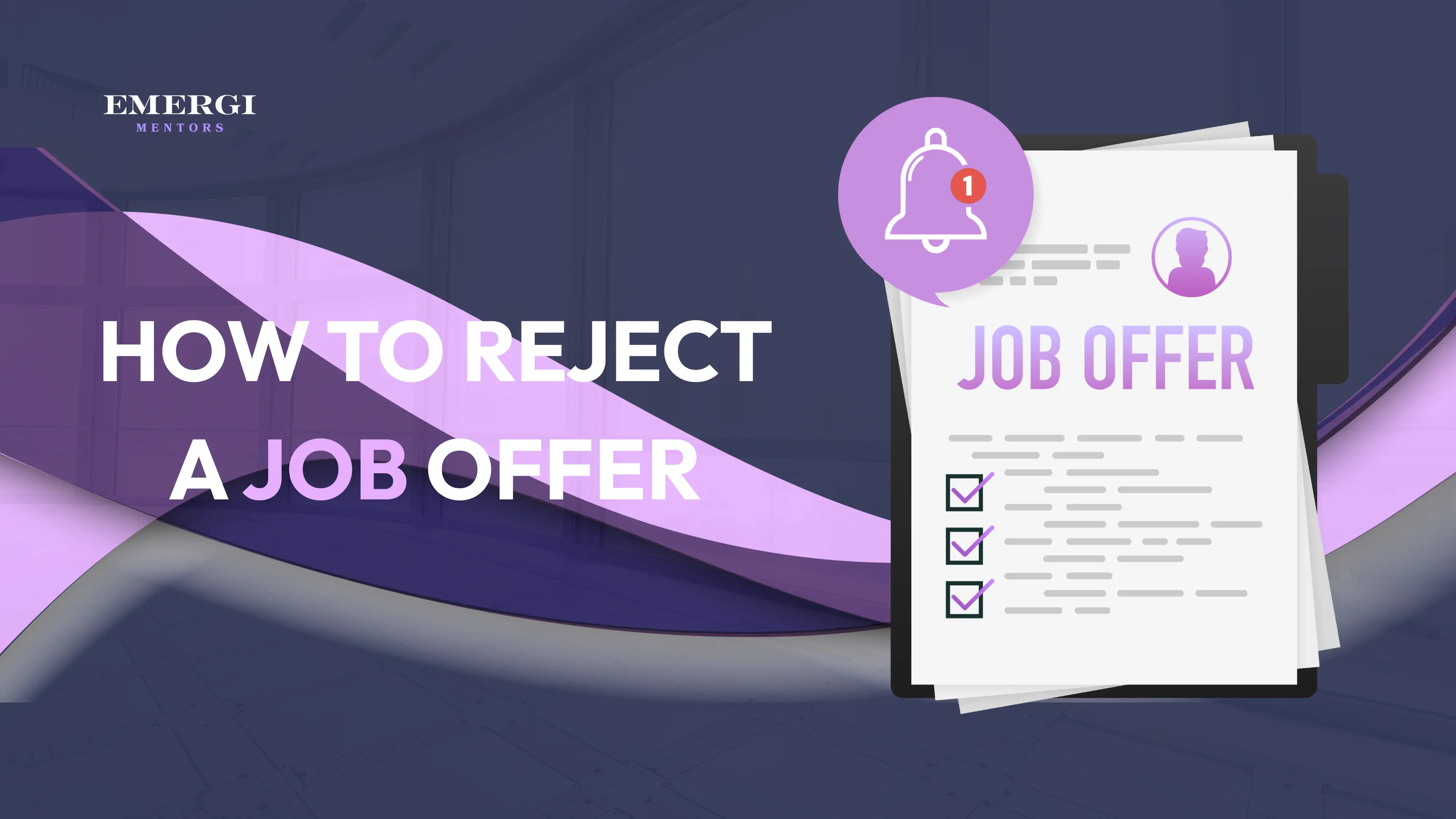
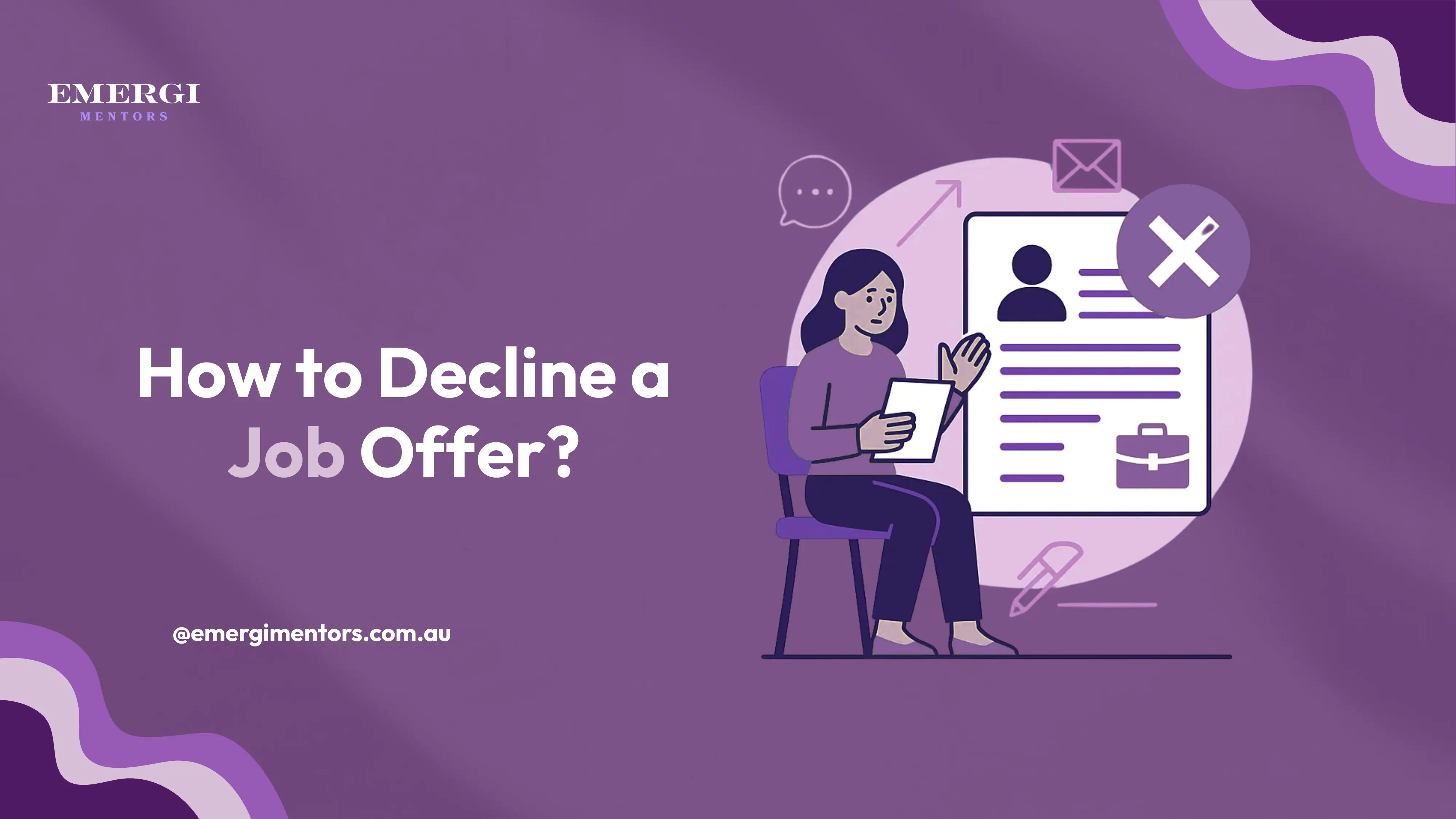
Understanding how to accept a job offer sometimes means recognizing when you shouldn't accept immediately. If the offer doesn't meet your expectations or market standards, professional negotiation is appropriate and expected.
Research pay ranges for similar positions/roles in your area and industry. Consider the entire benefit package, not just the base salary. Benefits, vacation time, professional development opportunities, and work flexibility all have monetary value.
"Thank you for the offer. I'm very excited about this opportunity. Based on my experience and research, I was hoping we could negotiate the desired salary range. Would you be willing to consider X pay for this position?" This approach shows professionalism while advocating for yourself.
The Professional Way on How to Accept a Job Offer
Express Gratitude and Enthusiasm
Start your acceptance with genuine appreciation. "Thank you for considering me for the position of [job title] at [company name]. I'm thrilled about the opportunity to join your team and contribute to [specific company goal or project]."
Confirm Key Details
When learning how to accept a job offer, always restate the important terms to avoid misunderstandings. Include your job title, start date, salary, and any other negotiated terms. "I'm thrilled to accept the position with a start date of [date], an annual salary of $[amount], and the benefits package we discussed."
Ask About Next Steps
Professional acceptance includes understanding what comes next. "Could you please let me know about the onboarding process and if there are any documents I should prepare or complete before my start date?"
Written Acceptance: Making It Official
While you might accept verbally first, learning how to accept a job offer properly requires written confirmation. This protects both you and the employer by creating a clear record of the agreement.
Your written acceptance should be concise but complete. According to Harvard Business Review's career guidance, written job offer acceptances reduce misunderstandings by over 60% and demonstrate professionalism that employers appreciate.
Send your written acceptance within 24-48 hours of your verbal agreement. Use email for speed, but follow up with a formal letter if requested by the company.
Sample Acceptance Framework
"Dear [Hiring Manager's Name],
I am excited to formally accept your offer for the [job title] position at [company name]. Thank you for this wonderful opportunity.
As we discussed, I understand my annual salary will be $[amount], with [benefits summary]. My start date is [date], and I will report directly to [supervisor's name].
I'm excited to contribute to [specific company initiative] and look forward to joining the [department/team name] team.
Please let me know if you need any additional information from me before my start date.
Best regards, [Your name]"
Important Considerations When Learning How to Accept a Job Offer
Timing Matters
Most employers expect a comeback within a few days to a week. If you need more time to consider, communicate this with the employer professionally: "Thank you for the great offer. I'm very interested and would like to review everything thoroughly. Could I have until [specific date] to provide my response?"
Handle Multiple Offers Gracefully
If you're considering multiple opportunities, be honest about your timeline without creating unnecessary pressure. Learning how to accept a job offer sometimes means knowing how to decline others respectfully.
Background Checks and References
Many offers are contingent on successful background checks or reference verification. Ensure your references are prepared and aware they might be contacted.
After Acceptance: Setting Yourself Up for Success
Once you've mastered how to accept a job offer, focus on preparation for your new role. Research your new colleagues on LinkedIn, review company policies, and prepare questions about your first projects or responsibilities.
Consider your current job's resignation process and professional transition timeline. Give proper notice and maintain a positive relationship with your current employer.
Common Mistakes to Avoid
Don't accept immediately without reviewing terms carefully. Avoid negotiating after you've already accepted unless new information significantly changes the situation. Never accept multiple offers at the same time; it can damage your professional reputation.
Start Your New Career with Confidence
Learning how to accept a job offer professionally demonstrates maturity and attention to detail that employers value. This process sets the foundation for a successful working relationship and shows you're someone who handles important matters thoughtfully.
Ready to develop your career to the next level?
Join Emergi Mentors and get expert guidance on job offers, salary negotiation, and career advancement strategies. Our experienced mentors will help you navigate every aspect of your professional journey with confidence.