How to Become a Data Analyst in Australia (2026)

Have you been searching for how to become a data analyst in Australia? The short answer is to get the right skills in the right order. Most importantly, learn SQL, Python, Power BI, or Tableau. Build a small portfolio of real projects and aim for a junior analyst role in a sector that's hiring right now. Finance, healthcare, and tech are hiring data analysts frequently. Data analyst income is above $100,000 annually. You don't necessarily need a four-year degree to start; what you need is a clear roadmap and the determination to commit to it. Data analysts start as junior analysts and progress into senior data analyst roles. The demand for data analysts is growing by 27.7% within the next five years, making it an ideal career for many professionals.
What Does a Data Analyst Actually Do?
Before diving into "how" data analysts work, it helps us to understand "what" they do.
A data analyst uses raw information such as numbers, customer records, sales figures, and survey responses and turns it into something useful. They identify trends, flag problems, and help businesses make smarter decisions.
On a regular day, a data analyst might be writing SQL queries to pull data from a company database, building a dashboard in Power BI for the leadership team, or sitting in a meeting explaining why customer churn went up last quarter.
The role works between business and technology. You need to be comfortable with working with data tools and able to communicate business findings to non-tech people.
Why 2026 Is the Best Times to Start Career in Data Analytics
Currently there are 800+ data analyst jobs in Australia listed on Glassdoor and data analytics is growing rapidly in Australia. Data analysts and data scientists are expected to be among the top-growing professions in the country, according to the Future of Jobs Report 2025.
The demand for AI, machine learning, and big data together is creating 2.6 million jobs in 2027 globally. Data analysts who can work alongside AI tools are among the most in-demand professionals in the country. Data analysis has an ROI-focused and selective market that wants you to have technical depth, AI mastery, and measurable impact.

Step 1 - Learn Skills That Actually Get You Hired
You should forget the long list of every tool ever mentioned in a data analyst job ad. In 2026, there are multiple core skills that Australian employers consistently ask for.
SQL: It is a must for data analysts. Almost every data analyst role requires you to query databases. This is the first thing to learn.
Python has become standard for anything involving automation, data cleaning, or basic analysis. You don't need to be a developer, but you need to be comfortable running scripts and working with libraries like Pandas.
Power BI or Tableau: These are the visualisation tools that turn your analysis into dashboards stakeholders can use, so learn one and get good at it. Azure Synapse and Snowflake for database solutions are viewed as essential along with Power BI & Tableau.
Excel for data analysts is still valuable at every stage, especially in smaller companies and government roles. Advanced Excel, such as pivot tables, VLOOKUP, and Power Query, remains a practical requirement.
AI tool literacy is the new differentiator. Analysts who know how to use AI tools to speed up data cleaning, write faster SQL, or automate reporting are standing out in applications right now.
Step 2 - Choose Your Learning Path
There are three realistic routes into a data analyst role in Australia. We can’t say which one is better than the other because it totally depends on your starting point. A data analyst should have strong communication skills in addition to multiple technical skills. They need to convey conclusions to stakeholders who often don’t have a data background. Data analysts should communicate clearly and in a presentable way.
A university degree usually requires 3-4 years of learning. A bachelor's degree in data science, statistics, mathematics, computer science, or information technology is still the most common pathway. According to SEEK ads analysis, most of the jobs require a bachelor’s degree in a relevant field.
And if you already have a bachelor’s degree in another field, enrolling in a postgraduate course (4 subjects), which usually takes 6-18 months, or getting a graduate diploma (8 subjects) and a Master of Analytics can help you fill the gap without starting from scratch.
Bootcamps and short courses are focused programmes that last between three and six months and are meant to help people get ready for work. Platforms like AcademyXi, Emergi Mentors, and Upskilled offer bootcamps that work well with a strong portfolio even if you don’t have prior experience.
If you're not sure which path suits you best, this is exactly where mentorship offers genuine support. Working through a structured data analyst roadmap with someone who has hired data analysts or worked as one saves months of guessing.
Step 3 - Build a Portfolio Before You Apply
This is where most people either skip ahead too fast or get stuck indefinitely. Your portfolio doesn’t need to be perfect; it needs to be real. At least three to five projects that show you can take a dataset, ask a meaningful question, and communicate an answer clearly are enough to get shortlisted for junior roles.
Good portfolio project ideas for the Australian market:
Analysing publicly available ABS (Australian Bureau of Statistics) datasets on employment or housing
Building a sales dashboard using a sample retail dataset in Power BI
Writing SQL queries to answer business questions from a public database like the Northwind dataset
A Python analysis of Australian weather or transport data
Your goal should be to show hiring managers the whole process of how you found data, worked on it, and explained it.
Step 4 - Target the Right Sectors and Cities
 All industries don’t pay equally or hire at the same rate. In 2026, the highest hiring activity for data analysts in Australia is in finance, healthcare, government, and retail. The Commonwealth Bank, Westpac, ANZ, and similar institutions are among the top employers of data analysts. The finance and banking sector pay high salaries of $97,000 to $130,000 in Australia.
Healthcare is the fastest-growing sector after fintech for data analyst roles. Federal and state governments in NSW and Victoria provide job security and are consistent employers of data analysts. Data analysts are equally needed in the retail and e-commerce sectors, as companies like Woolworths have active data teams. Consumer behaviour analytics is now a growing priority.
There are plenty of employment opportunities for data analysts in NSW and Victoria. Sydney and Melbourne are also known as prime hubs for data analysts, though many roles are now remote or hybrid, which increased the chances of jobs for the workforce in Brisbane, Adelaide and Canberra too.
Data Analyst Salary in Australia: What to Expect
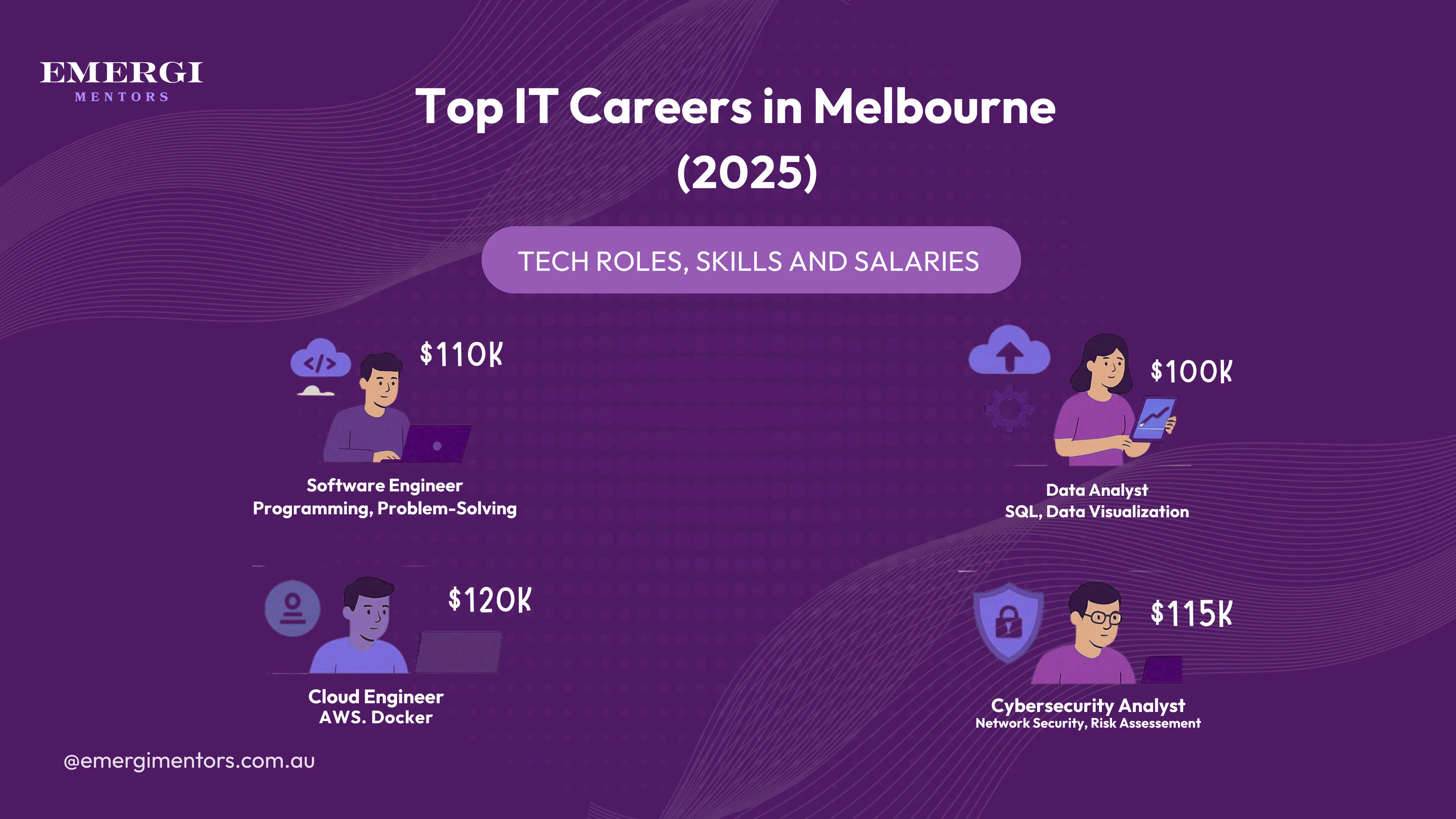
Data analyst salary is usually the first question people ask, so here are the honest numbers as of early 2026. The average data analyst earns between $85,000 and $100,000+ annually. Indeed reports average salary of $100,029 per year, based on 442 salaries updated in March 2026.

Entry-level (less than 1 year): Estimated AUD $65,000–$75,000
Early career (1–4 years): Average AUD $80,000–$95,000
Mid-career (5–9 years): Around AUD $95,000–$115,000
Senior data analyst salary: A senior data analyst salary is around AUD $130,000 annually; that’s $63/hour.
Other factors that determine salaries are AI and machine learning skills, which command 15-25% salary premiums as compared to those without these skills. Locations also play an important role, as Sydney and Melbourne offer higher salary ranges than other cities.
Step 5 – Apply Strategically
The majority of job seekers apply to multiple jobs at a time, without customizing their application for each role. In a crowded market, this approach doesn’t help you land interviews. You should choose 10–15 target companies in your preferred sector, understand what tools they use (usually visible in their job ads), and customise every application to show you've done that work. Having two professional referees is standard practice in Australia before any job offer.
LinkedIn, SEEK, and Glassdoor are the primary job platforms. But don't ignore company career pages directly, especially if you are applying for government and healthcare roles.
How Mentorship Changes the Timeline
Most people who try to transition into data analysis on their own usually spend 6–12 months longer than necessary, because they spend time on the wrong things. They follow the process in the wrong order, without feedback on whether their portfolio is strong enough for the role.
A mentor who has hired data roles, or who has recently made the transition themselves, can reduce that timeline significantly. They can tell you which courses are worth doing. which projects will land in interviews, and what a hiring manager in Sydney wants to see in 2026.
If you're serious about becoming a data analyst in Australia, Emergi Mentors pairs you with experienced mentors in the data industry who know the Australian market. They provide a practical pathway from where you are now to your first role.
Frequently Asked Questions
How long does it take to become a data analyst in Australia?
The timeline depends on your starting point. A bootcamp or short course takes 3-6 months. After building a portfolio and job searching, most people are job-ready within 6-12 months.
Can I become a data analyst in Australia without a degree?
Yes, while a bachelor’s degree is preferred, there are many bootcamps that don’t require a bachelor’s degree for getting a job. A strong portfolio, proven skills, and relevant certifications can make a difference, especially for junior roles in startups and mid-size companies.
What is the average data analyst salary in Australia in 2026?
The average data analyst salary in Australia is around $100,000 in 2026. A senior data analyst salary is on average $120,000–$130,000, with high earners exceeding $150,000.
What skills do I need to become a data analyst in Australia?
The core technical skills are SQL, Python, Excel, and at least one visualisation tool (Power BI or Tableau). Experience with AI tools and cloud platforms like Azure or Snowflake is also expected. Communication and data storytelling are also important.