How to Set Career Goals When You Don't Know Where to Start?

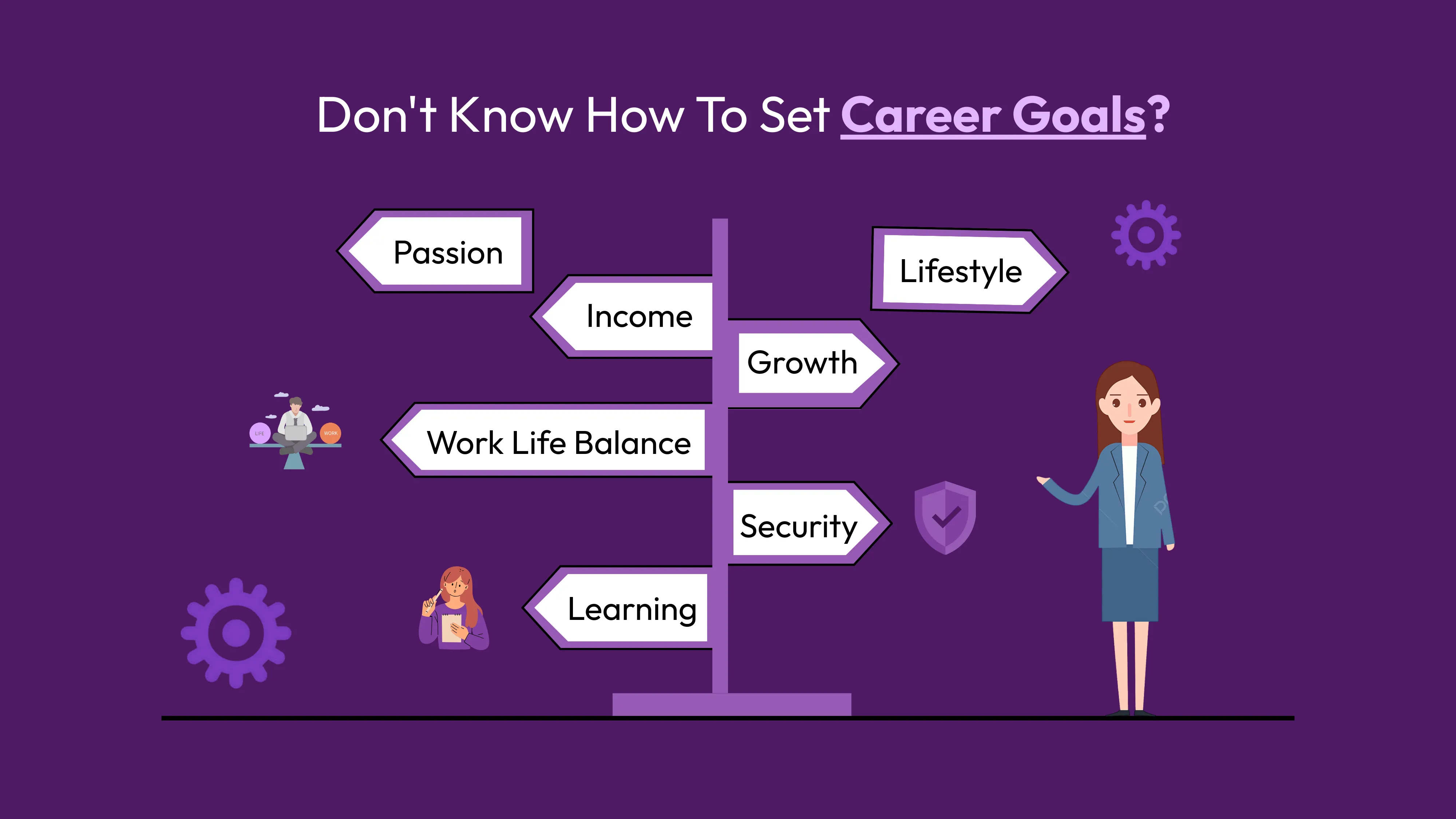
Career goals often feel like an impossible puzzle when you're staring at a blank page, unsure of which direction to take. According to recent data from the Australian Bureau of Statistics, nearly 43% of professionals report feeling uncertain about their career trajectory in the post-pandemic workplace (ABS, 2024). If you find yourself on the same page, you're not alone. Most importantly, there are structured approaches that can transform that uncertainty into clarity.
The Challenge of Beginning Without Career Goals
When facing the empty canvas of career planning, many professionals experience what psychologists call "choice paralysis." Research published in the Journal of Vocational Behavior suggests that too many options without a proper evaluation can lead to decision avoidance and decreased satisfaction with final choices. This idea explains why setting career goals feels so difficult when you lack a clear starting point.

A Step-by-Step Approach to Finding Your Career Goal
1. Start With Values, Not Titles
Career goals become clearer when you begin with what matters most to you. Instead of asking, "What job do I want?" ask these questions of yourself:
What kind of effect do I want to make from my work?
What work environments energize me?
What kinds of problems do I enjoy solving?
Dr. Amy Wrzesniewski's on crafting jobs demonstrates that alignment between personal values and work leads to significantly higher job satisfaction and performance. Start by listing five core values that should be present in your ideal work situation.
2. Conduct a Personal Skills Inventory
Career goals need to build on foundations you already have. Take note of:
Technical skills you've developed
Soft skills you naturally excel at
Knowledge domains you understand deeply
The key is honesty with aspiration. Australian workplace research indicates that 67% of successful career transitions hold existing strengths rather than attempting complete transformation.
3. Explore Possibilities Rather Than Commitments
When direction isn't clear, set goals focused on exploration rather than commitment.
Goal 1. "I will conduct three informational interviews in different industries this month"
Goal 2. "I will take an introductory course in data analytics to test my interest."
Goal 3. "I will volunteer for a multi-sector project to experience new work areas."
These goals generate information that informs better long-term planning without requiring solid commitment to a specific path.
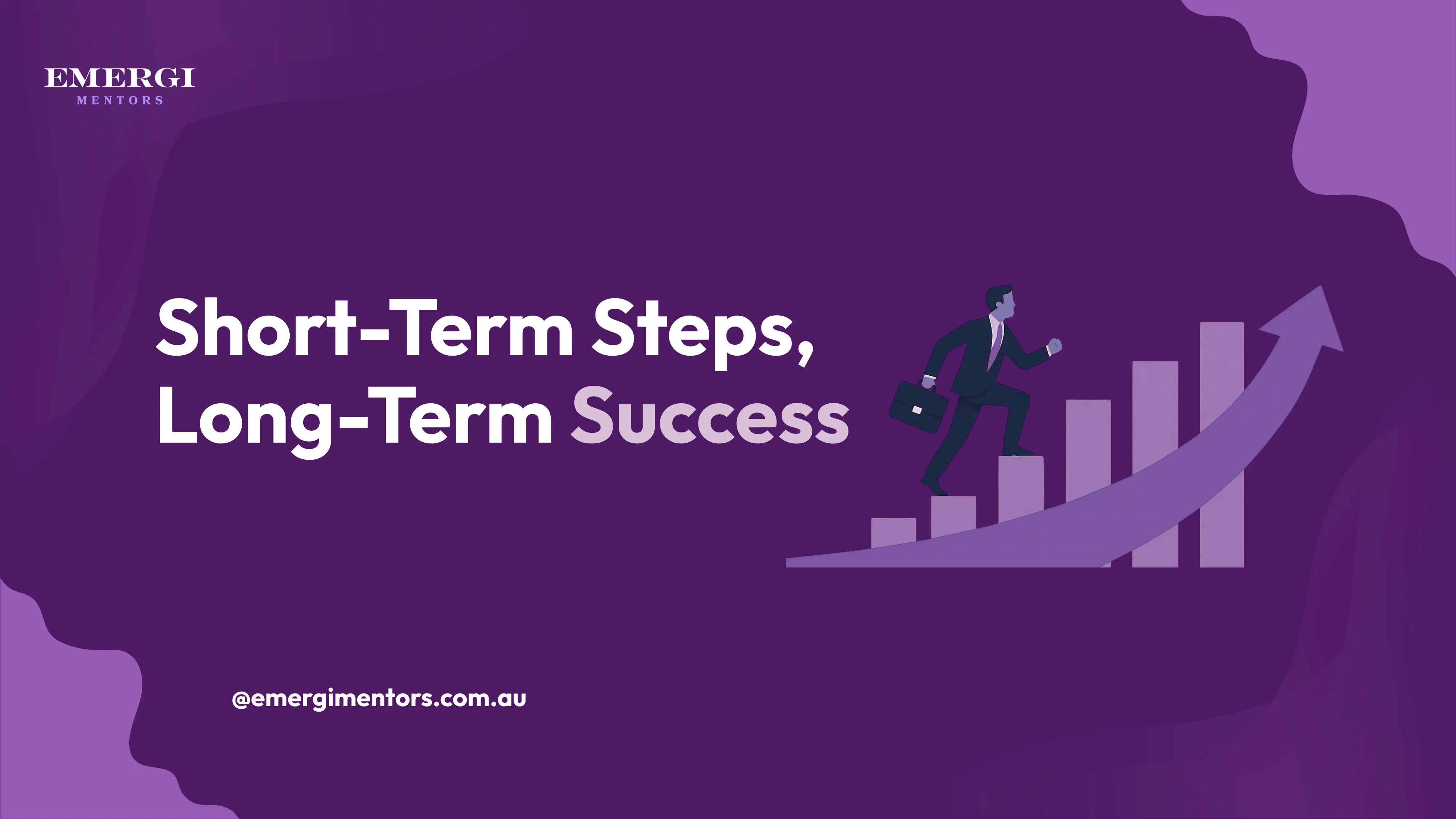
4. Create Milestone Maps Instead of Linear Plans
Traditional career planning assumes a straight line from A to B. When you're uncertain, create milestone maps instead:
Identify skills that would be valuable across multiple potential paths
Set learning milestones rather than job title milestones
Establish timetables for review and course correction
This approach is recommended by career development experts to maintain momentum while allowing for discovery and transformation.

How Mentorship Impacts Career Goals
Expert opinion is extremely beneficial for setting career goals. Here's why professional mentorship proves particularly valuable.
Pattern Awareness from Experience
Mentors who have navigated similar doubts can recognize patterns and opportunities invisible to someone in the midst of confusion. A study from the University of Melbourne found that professionals who worked with mentors during career transitions identified possible paths 3 times faster than those who didn't.
Testing Your Assumptions
Career goals built on fake assumptions in the industry can lead to wasted effort. You could be building your entire career plan around becoming a brand manager without realizing how the role has evolved. Our expert mentors can help you understand the skills that would work with content strategy roles. This single insight can save you years of following the wrong path.
Frameworks for Decision-Making
Professional mentors bring tested frameworks for evaluating options when there's no obvious choice. The GROW model (Goals, Reality, Options, Way Forward) and other structured approaches provide room for decision-making when you're starting.
Practical Next Steps to Set Your Career Goals
Self-Assessment: Take inventory of your values, strengths, and interests using structured assessments. Then use the results to carefully analyze your next goal.
Exploration Plan: Create a 2-month plan for exploring 2-3 potential paths. They could be related to your interests, trending skills, or growth opportunities.
Learning Roadmap: Identify skills valuable across multiple potential paths.
Accountability Structure: Establish regular check-ins to assess progress.
When working without guidance, career goals often remain unclear. A mentor provides the structure, accountability, and industry insight to transform aspirations into actionable plans.
Finding Your Way to Career Goals
Career goals don't have to be perfect from the beginning; they simply need to be specific enough to guide your next steps. If you're struggling to find clarity in your professional direction, consider working with an industry mentor who can help you assess your options clearly and develop a personalized roadmap forward.
Professional guidance can be the difference between months of uncertainty and a clear path to meaningful progress. Book a session with a career mentor at Emergi Mentor today to transform your career uncertainty into a structured plan for growth.
Book Your Career Goal-Setting Session Today →