How to Seek Career Advice That Actually Changes Your Direction


Most people wait until they're stuck. They are stuck in a role they've outgrown, in a job search that's going nowhere, or at a crossroads with no clear map, before they seek career advice. By then, the decisions they needed to make six months ago have already been made.
Getting ahead of that moment is what separates professionals who drift from those who move with intention.
This guide breaks down what real career advice looks like, where to find it, and why the most effective form of it isn't a course, a LinkedIn post, or a career quiz; it's a mentor who's done what you're trying to do.
Why Generic Career Advice Isn't Working for You
There's plenty of career content online, articles about updating your resume, and so on. Podcasts on "following your passion". YouTube videos on how to answer behavioural interview questions. And yet, most professionals, especially those in tech, data, and emerging fields, still feel directionless and get stuck in tutorial hell.
The reason is simple: generic advice is written for no one in particular.
Every professional has a unique situation that is specific, and your industry has nuances. The Australian job market has its own dynamics, hiring cycles, and expectations, which are different from what a US-based career coach or influencer is describing. What works for a software engineer in San Francisco does not automatically translate to a data analyst trying to break into a Melbourne firm.
Real career advice connects your steps for where you've been, where you want to go, and the realistic steps between those two points. It tells you the truth about timelines, skill gaps, and what hiring managers in your target sector are looking for, not just motivational speech.
What It Actually Means to Seek Career Advice
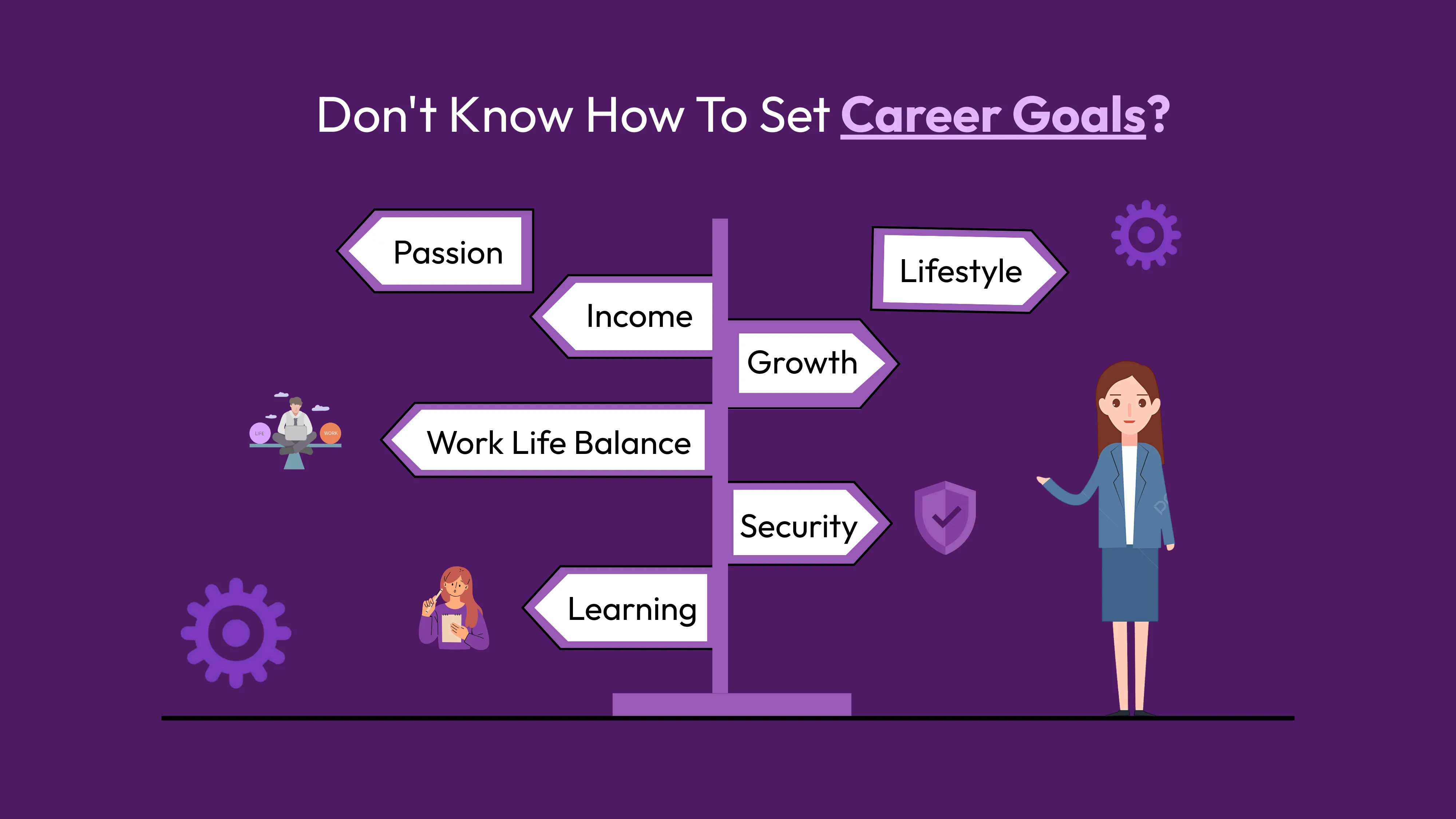
Seeking career advice is not a passive act but an active process that doesn’t just involves reading a blog and resonating with it, rather it’s about getting honest where you are. Before anyone can help you, you need a clear-eyed view of your current skills, gaps, and trajectory. You need to ask yourself, ‘what I’m capable of beyond my job title?’. Knowing what you are trying to achieve and what roadblocks you are facing leads to a better understanding of your career path and can help in seeking meaningful advice.
"I want a better job" is not a target. "I want to move from business analysis into a data engineering role within 12 months" is something a mentor can work with. The more specific your goal, the more specific and useful the guidance you'll receive.
Choosing the right source of advice is also important as not all advice is equal, and not all advisors are right for your situation. A friend in a different industry, a parent from a different era, or a generic online career test cannot give you the contextual, experienced input that your situation requires. A mentor can prove valuable at this time as he’s someone who has walked the same path you are trying to navigate now.
Career advice only has value if you implement it. That sounds obvious, but many professionals seek input, nod along, and then continue doing what they were already doing. A mentorship creates accountability for someone who follows up, challenges your excuses, and keeps the goal in a frame.
The Mentor Advantage: Experienced Career Advice That Works
A mentor is not a coach who just recites frameworks. A mentor is someone who has been where you want to go and is willing to show you the map. Regarding the tech and data careers in Australia, this distinction is important. The sector moves fast. New roles are emerging such as machine learning engineer, data product manager, AI governance specialist, that didn't meaningfully exist five years ago. The hiring landscape, in-demand jobs, skills, and portfolio expectations shift quickly.
When you seek career advice from a mentor who is currently working in your target field, you're not getting theoretical guidance. You're getting:
Real hiring context: what hiring managers are looking for right now apart from what the job description says.
Honest feedback on your skills: A clear view of where you stand and what would make you competitive
Network proximity: Mentors often open doors through referrals, introductions, and insider knowledge about opportunities.
Pattern recognition: Someone who has seen dozens of career transitions can spot the mistakes that could lead to slow career progression.
The mentor network we have built is specifically for professionals in tech and data for graduates, career switchers, and ambitious job seekers who need guidance grounded in the realities of the Australian market.
Who Needs Career Advice and When
A common misconception is that career advice is something you seek only when things have gone wrong. In reality, the professionals who progress fast are the ones who build advisory relationships before they need them urgently.
The moment when you are graduating into a competitive market, the transition from classroom to your first professional role is one of the hardest and career advice at this time is decisive. You're competing with others who have similar degrees, but different networks, portfolios, and positioning. A mentor who has recently hired graduates or has been there can shorten the learning curve.
Career changers face a specific challenge: they need to make their existing experience relevant to a new context. They need to make their existing experience relevant to a new context. This isn't just about rewriting a resume. It's about understanding how your skills translate, what gaps to fill, and how to tell your story convincingly. According to the Australian Government's Job Outlook data, technology and data roles continue to show strong employment growth. This is the right time to make the transition with the right support.
If you've been in a role for a few years and feel like your growth has stopped, you're likely in mid-career stagnation and it often requires external perspective to identify whether the issue is the role, the company, a skills gap, or a positioning problem.
Preparing for a senior-level move Moving from individual contributor to lead, or from manager to director, is a different kind of transition. The skills that got you here aren't always the ones that get you to your goal of senior position. Senior professionals benefit most from mentors who have made that exact jump and can speak to what the role actually demands.
How to Evaluate Career Advice Before Acting on It

There are four things to keep in mind before you act on a specific advice:
Source credibility
Recency
Specificity
Intent
If the advice could apply to anyone, and is coming from an outdated source, it probably won't help you specifically. Good career advice is tailored, contextual, and direct. Mentors who care about outcomes will sometimes tell you things you don't want to hear such as constructive and honest feedback about a project, but that's the advice worth listening to.
Making Career Advice Work: A Practical Starting Point
If you're ready to move from consuming career content to acting on real advice. Start by writing down your specific goals and valid targets with a timeframe. Identify the gap; what skills, experience, or connections are missing between where you are and where you want to be. Also find someone currently working in the role, company, or sector you're aiming for or a mentor in your target field. Always show up to your first mentoring session with specific questions, not open-ended conversations, and be prepared to make it a fruitful relationship. Follow up and don’t treat it as a a one-time consultation.
The ones who get good information early act on it, and build relationships with people who know the industry, achieve career success quickly those who don’t. It's the reason seeking career advice through mentorship produces results that articles, courses, and career quizzes simply can't match.
Frequently Asked Questions
How do I know when it's the right time to seek career advice?
If you're feeling uncertain about your next move, stuck in your current role, or preparing for a significant transition, that's the right time.
Is career advice from a mentor different from seeing a career coach?
Yes. A career coach typically uses structured frameworks and focuses on the process. A mentor brings direct industry experience. For technical and specialized roles, mentor advice tends to be more targeted and practical.
Can career advice help if I'm changing industries entirely?
Mentorship is most valuable when you are changing careers. A mentor who has made a similar pivot, or who hires people making that pivot, can show you exactly how to position your existing experience, what to learn, and what mistakes to avoid.