Apprenticeship vs. Internship: Which Career Path is Right for You?

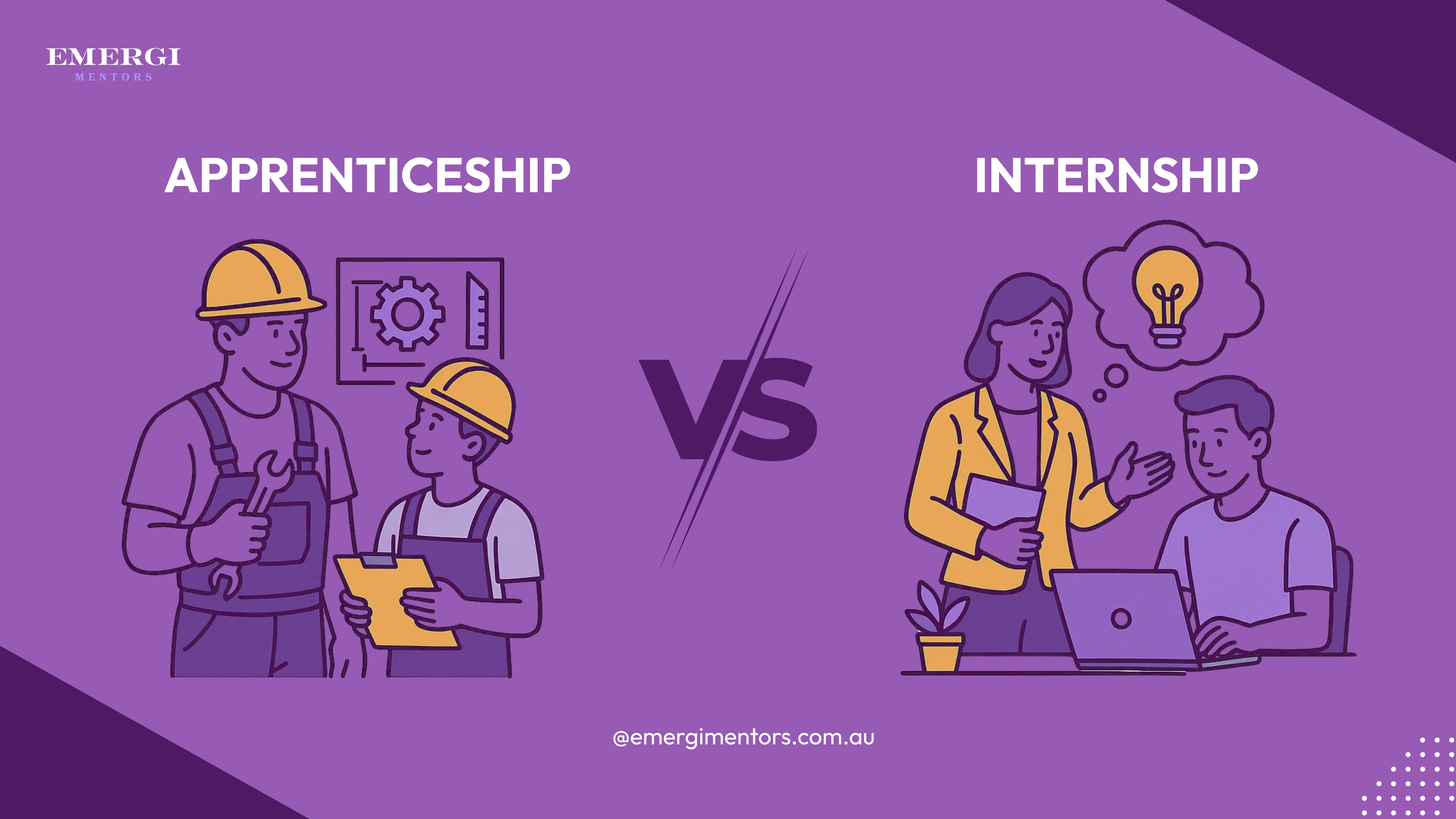
Choosing between apprenticeship vs. internship can shape your entire career trajectory. Both offer valuable hands-on experience, but they serve different purposes and lead to distinct outcomes. Understanding these differences will help you make the best decision for your professional future.
What is an Apprenticeship?
An apprenticeship is a training programme that combines formal education with paid work experience. Apprentices learn skilled trades or professions while earning a wage, typically lasting one to four years. These programmes are common in industries like construction, healthcare, manufacturing, and technology.
Key features of apprenticeships include:
Guaranteed employment during training
Progressive wage increases as new skills develop
Industry-recognized certifications upon completion
Long-term career pathway with clear advancement opportunities
What is an Internship?
An internship is a temporary work experience, usually lasting a few months. It is designed to provide exposure to a particular industry or role. Internships can be paid or unpaid and are often completed by students or recent graduates seeking to build their resume and professional network.
Internship characteristics include:
Short-term commitment (typically 3-6 months)
Focus on learning and observation rather than mastery
Internship May or may not lead you to full-time employment
Often unpaid or lower compensation than regular positions
Apprenticeship vs. Internship: Key Differences
Duration and Commitment
The most significant difference in the apprenticeship vs. internship debate is time commitment. Apprenticeships are long-term investments spanning multiple years, while internships are brief experiences lasting a few months.
Compensation
Apprentices earn from day one, with regular increases as they gain skills. According to TAFE Gippsland the average starting salary for apprentices for various skilled trade jobs starts at $33,000 annually. Internships may offer minimal pay or remain unpaid, especially in competitive fields.
Learning Approach
Apprenticeships provide deep, hands-on skill development with mentorship from experienced professionals. Interns typically observe and assist with basic tasks while gaining broad industry exposure.
Career Outcomes
Apprenticeships often guarantee job placement upon completion, creating a direct pathway to stable employment. Internships may lead to job offers but don't guarantee employment, serving more as networking and resume-building opportunities.
Which Option is Right for You?
Consider an apprenticeship if you:
Prefer learning by doing rather than classroom study
Want to earn money while training
Seek job security and clear career progression
Are interested in skilled trades or technical fields
Choose an internship if you:
Are exploring different career options
Want to test-drive various industries
Prefer shorter commitments
Are building experience for graduate school or other opportunities
Making Your Decision
The apprenticeship vs. internship choice depends on your career goals, learning style and financial situation. Research opportunities in your field of interest and consider speaking with professionals who have taken each path.
Both apprenticeships and internships offer experience that is valuable for one's career, but they serve different purposes in career development. Apprenticeships provide focused skill-building with guaranteed employment, while internships offer wider exposure and networking opportunities.
Ready to Take the Next Step in Your Career?
Whether you're considering an apprenticeship or internship, having the right guidance from a career mentor makes all the difference. Join Emergi Mentors today and connect with experienced professionals who can help you navigate your career path, prepare for opportunities, and achieve your professional goals.