Career Planning and Goal Setting for Australian Professionals 2025


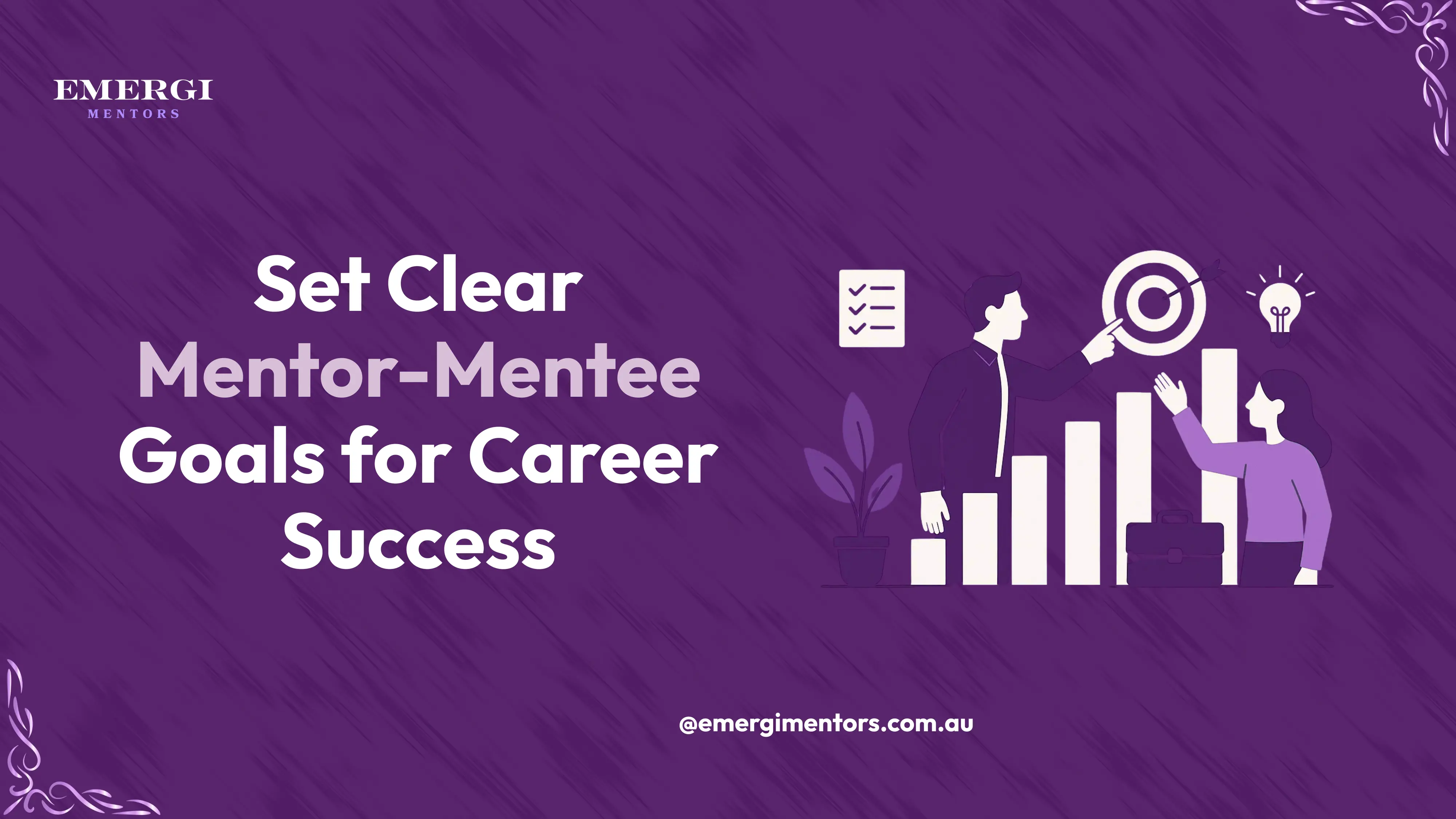
Effective career planning and goal setting have become essential for professional success in today's competitive job market. Australian professionals who take a strategic approach to mapping their career trajectory consistently achieve better outcomes than those who let their careers unfold randomly. Whether you're a recent graduate entering the workforce or a seasoned professional seeking advancement, mastering career planning and goal setting provides the clarity and direction needed to navigate Australia's evolving employment landscape.
The difference between professionals who thrive and those who stagnate often lies in their strategic approach to career development. Those who engage in systematic planning create clear pathways to success rather than simply reacting to opportunities.
Connect with experienced career mentors at Emergi Mentors who understand the Australian job market and can help you create a strategic roadmap for professional success.
Building Your Career Foundation
Self-Assessment and Skills Inventory Start with honest self-evaluation of your skills, interests, values, and personality traits. Document your achievements, technical competencies, and soft skills to create a comprehensive inventory. This foundation becomes essential when setting realistic goals and identifying development areas.
Industry Research and Market Analysis Understand industry trends, growth sectors, and emerging opportunities across Australia. Research salary ranges, required qualifications, and career progression paths in your target field. Industries like technology, healthcare, renewable energy, and financial services continue showing strong growth. See this occupation shortage list by Jobs and Skills Australia.
Vision Development Create a compelling vision of your ideal career state 5-10 years from now. Your vision should encompass role responsibilities, industry sector, work environment, compensation expectations, and lifestyle preferences.
Proven Frameworks for Goal Setting
SMART Goals Framework The SMART criteria—Specific, Measurable, Achievable, Relevant, and Time-bound—helps "identify specific, time-bound goals and steps to accomplish your plan. Set short-term goals (to be achieved in one year or less) and long-term goals (to be achieved in one to five years)."
For example, instead of "improve leadership skills," set "complete advanced leadership certification program and lead two cross-functional projects by December 2025."
Tiered Goal Structure Structure your career planning by setting "long-term goals first, then break them up into more immediately attainable short-term goals. Think of your long-term goals as the direction you're heading in, and your short-term career goals as the stepping stones you need to get there."
Create three tiers:
Long-term goals (3-5 years)
Medium-term goals (1-2 years)
Short-term goals (3-12 months)
Implementation Strategies
Skill Development Strategy Identify capability gaps and "break your goal into smaller, manageable steps and assign deadlines to each. For example, if you aim to complete a certification, start by scheduling time to research programs, gather materials, and plan study sessions."
Prioritize high-impact skills that enhance marketability across multiple roles and industries. Technical skills, leadership abilities, and communication competencies consistently rank among the most valuable professional assets.
Regular Review and Adjustment Adopt "a dynamic approach to goal-setting" with regular reviews. "Regularly review your goals and make adjustments based on your progress and any changes in your circumstances or industry trends." Schedule monthly progress reviews and quarterly goal adjustments to maintain momentum.
Progress Tracking Systems Establish clear metrics for tracking advancement toward each goal. Use spreadsheets, project management apps, or dedicated planning software to monitor progress systematically. Document achievements, challenges, and lessons learned.
Australian Market Considerations
Regional Opportunities Australia's major cities offer different career advantages. Sydney excels in finance and technology, Melbourne leads in healthcare and education, Brisbane grows in mining and logistics, while Perth dominates resources and energy sectors.
Industry Growth Sectors Focus planning efforts on expanding industries like renewable energy, aged care, cybersecurity, data analytics, and digital health. These sectors offer strong growth prospects and diverse opportunities for Australian professionals.
Professional Development Requirements Understand certification requirements, industry bodies, and continuing education expectations in your target field. Many Australian professions require specific qualifications or ongoing professional development.
Common Pitfalls to Avoid
Setting Unrealistic Timelines Many professionals underestimate the time required for significant career transitions or skill development. Research typical progression timeframes in your industry and build buffer time into your planning.
Ignoring Market Realities Ensure your goals align with actual market opportunities and industry trends. Plans become meaningless if they don't reflect realistic career paths and employer needs.
Lack of Flexibility Remember that "your 2025 career objectives should align with your long-term vision" but remain adaptable to unexpected opportunities and changing circumstances.
Transform Your Career Trajectory
Successful career planning and goal setting requires commitment, regular review, and strategic adjustment over time. While the process might seem overwhelming initially, breaking it into manageable components makes it achievable and sustainable.
Ready to accelerate your career planning and goal setting with expert guidance?
Transform your career trajectory today. Learn proven strategies for setting and achieving ambitious career goals in Australia's competitive market by Expert Mentors at Emergi Mentors.